Renault Zoe Charging Guide

Last updated: Feb 16, 2026
The Renault Zoe has become one of the UK’s most recognisable small electric car models. Designed as an accessible electric vehicle, it focuses on efficiency, low running cost and straightforward charging.
Whether you rely on home charging or public charging stations, understanding Renault Zoe charging will help you maximise range, manage electricity use and reduce overall ownership cost.
Below, we explain how the Renault Zoe recharge process works, how long it takes, and what drivers should expect in everyday practice.
Renault Zoe charging at a glance
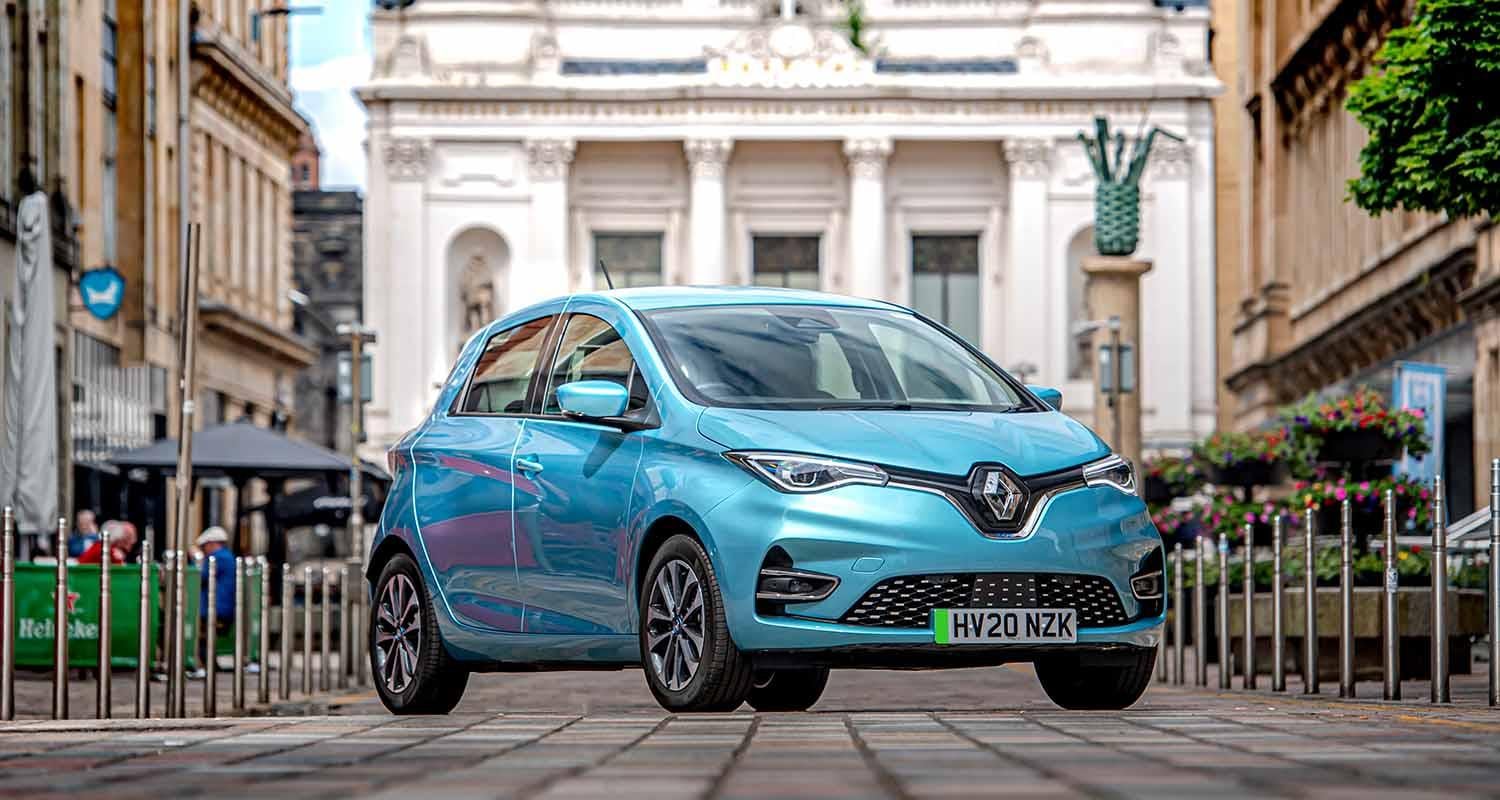
Renault Zoe charging is centred around flexibility. Most models are equipped with a Type 2 socket for AC charging, while later ZE50 versions also include optional CCS support for DC fast charging.
Here’s what to know:
-
AC charging: Up to 22 kW power delivered
-
DC charging (CCS models): Up to 50 kW
-
Battery sizes: 40 kWh or larger battery 52 kWh
-
Charge time (0–80% DC): Around 60 minutes
The Zoe’s ability to accept 22 kW AC charging is unusual in this class of electric car. In practice, this means it can recharge quickly at many destination charging stations across the country.
Charging speed and total power delivered vary depending on the charger used, the battery level and external conditions such as weather.
What is the electric range of the Renault Zoe?
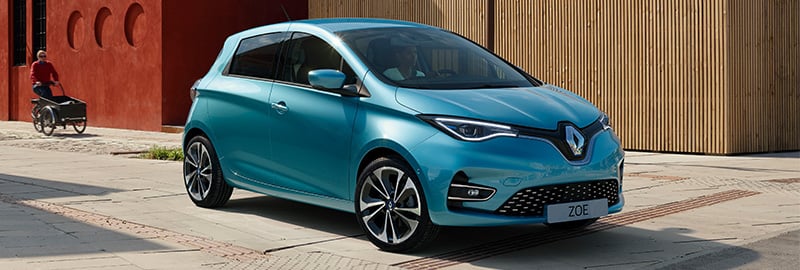
The Renault Zoe is available with two battery options:
-
ZE40 (40 kWh battery)
-
ZE50 (52 kWh larger battery)
The larger battery increases the vehicle’s full range to up to 239 miles (WLTP), while the ZE40 offers up to 186 miles (WLTP).
However, real-world range will vary depending on driving style, weather conditions and energy usage inside the car. Cold temperatures can slow efficiency, while smoother driving can help protect battery performance.
For most drivers, especially those using regular home charging, the Zoe provides more than enough range for daily commuting and short trips.
For more in-depth specs on a particular varient of the Renault Zoe, visit our Renault vehicle database.
Charging the Renault Zoe
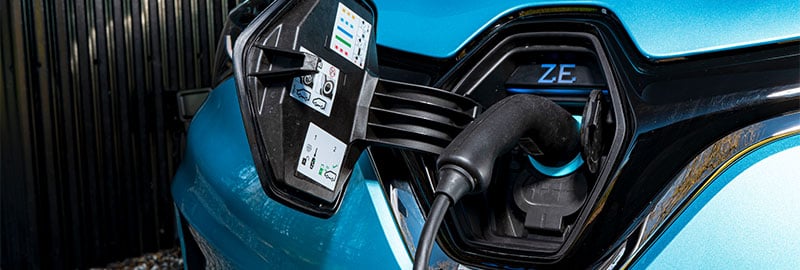
The charging process is designed to be simple and convenient.
To begin charging:
-
Open the charge flap.
-
Plug the charging cable (or cord) into the vehicle’s socket.
-
Connect to a compatible charger.
-
Authenticate via the charging station’s interface, app or contactless payment device if required.
Once connected, power flows automatically. The onboard system manages energy transfer to protect the battery and regulate charging speed.
The dashboard display shows the battery percentage and the remaining estimated charging time. When charging is complete, simply unplug the cable and close the flap before driving away.
For CCS-equipped models using DC charging stations, the process is the same — except you connect using the rapid charger’s tethered cable rather than your own.
How fast can the Renault Zoe charge when using a home EV charger?
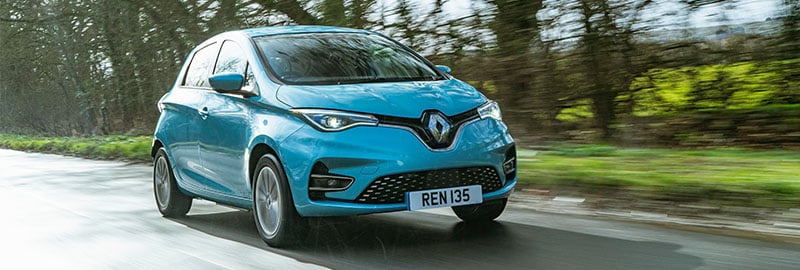
For most UK customers, home charging is the most convenient way to recharge the Renault Zoe.
With a standard 7 kW home charger installed:
-
A ZE50 typically takes 7–9 hours for a full charge
-
A ZE40 may take slightly fewer hours
If your home is equipped with a three-phase electricity supply and appropriate installation, the Zoe can accept up to 22 kW AC power. This significantly reduces charge time, although this setup is less common in domestic properties.
In everyday practice, drivers rarely wait for a completely empty battery before plugging in. Instead, they recharge overnight, making the process seamless and cost-effective. Switching to off-peak electricity tariffs can further reduce cost.
What home EV chargers work best with the Renault Zoe?
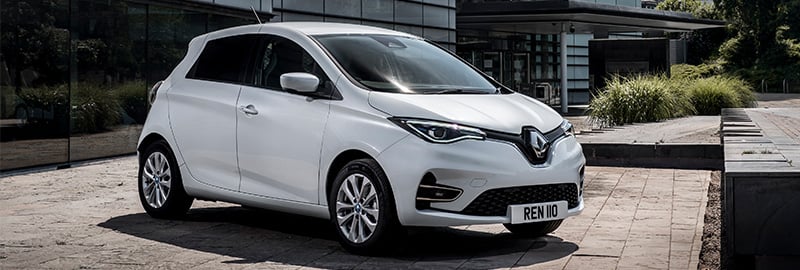
The Renault Zoe is compatible with most Type 2 AC chargers. When choosing equipment for home installation, look for:
-
Smart scheduling features via app
-
Energy monitoring
-
Load balancing to protect household power
-
Professional installation services
Because the Zoe can accept up to 22 kW AC charging, it makes particularly good use of higher-powered AC charging equipment where available.
Customers considering purchase of a home charger should factor in installation cost, available grants and electricity tariffs.
How fast can the Renault Zoe charge at a rapid charging station?
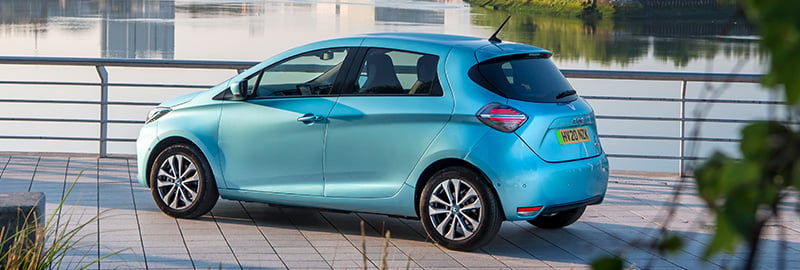
Charging speed at public charging stations varies depending on the vehicle specification.
ZE50 models equipped with CCS support up to 50 kW DC fast charging. In ideal conditions, this allows a 10–80% recharge in around 60 minutes.
Earlier Zoe models without CCS rely on AC charging only. However, thanks to the 22 kW onboard charger, they often recharge faster than many competing electric vehicle models when connected to 22 kW AC stations.
As with all electric cars, charging speed slows as the battery approaches full capacity. This gradual reduction helps protect battery health and optimise long-term energy efficiency.
How many versions of the Renault Zoe are there?
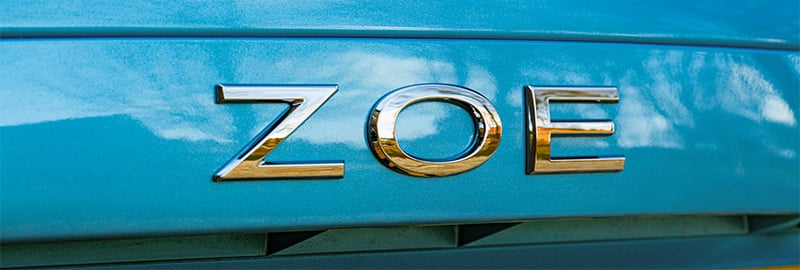
The Renault Zoe has been offered in several trims, but the main technical differences centre around:
-
ZE40 (40 kWh battery)
-
ZE50 (52 kWh larger battery)
Both versions are front-wheel drive and use an electric motor mounted at the front. Later models may be equipped with CCS charging capability.
What are the specifications of the Renault Zoe?
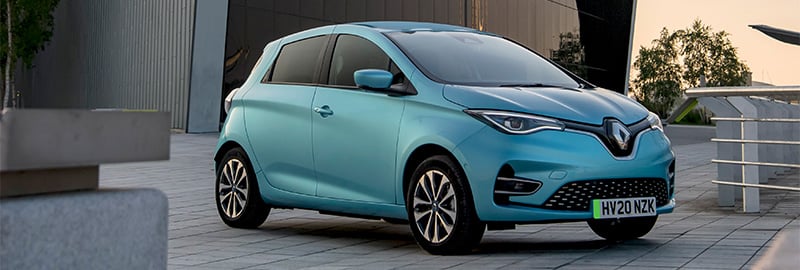
While specifications vary slightly depending on model year, the Renault Zoe typically includes:
-
40 kWh or 52 kWh battery
-
Front-mounted electric motor
-
Type 2 AC charging socket
-
Optional CCS DC charging
-
Up to 22 kW AC charging power
-
Up to 50 kW DC charging speed
Charging performance, total power delivered and charge time vary depending on charger type and environmental conditions.
Renault Zoe – Battery capacity
The Zoe’s battery comes in two sizes: 40 kWh and 52 kWh.
The larger battery increases range and improves flexibility for longer journeys. The onboard charging system carefully manages energy transfer to protect battery longevity and ensure stable charging performance over time.
Weather conditions, usage patterns and charging habits can all influence battery efficiency.
Renault Zoe – Performance
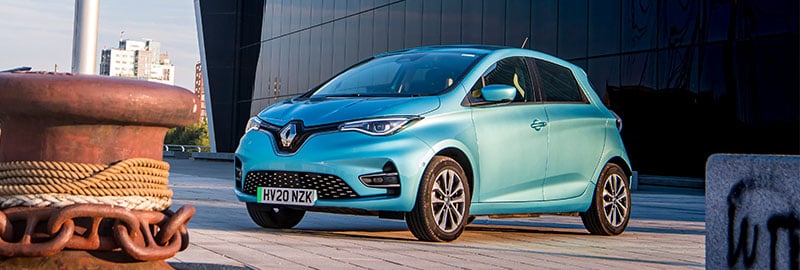
The Renault Zoe is not designed as a high-performance electric vehicle, but it delivers smooth, responsive acceleration that suits urban and suburban driving.
Instant torque from the electric motor makes city driving effortless, while the compact size makes it easy to manoeuvre and park.
Combined with convenient home charging, strong AC charging capability and widespread charging station access across the country, the Zoe remains a practical and cost-effective electric car choice for everyday drivers.

Renault Zoe Home ev Chargers
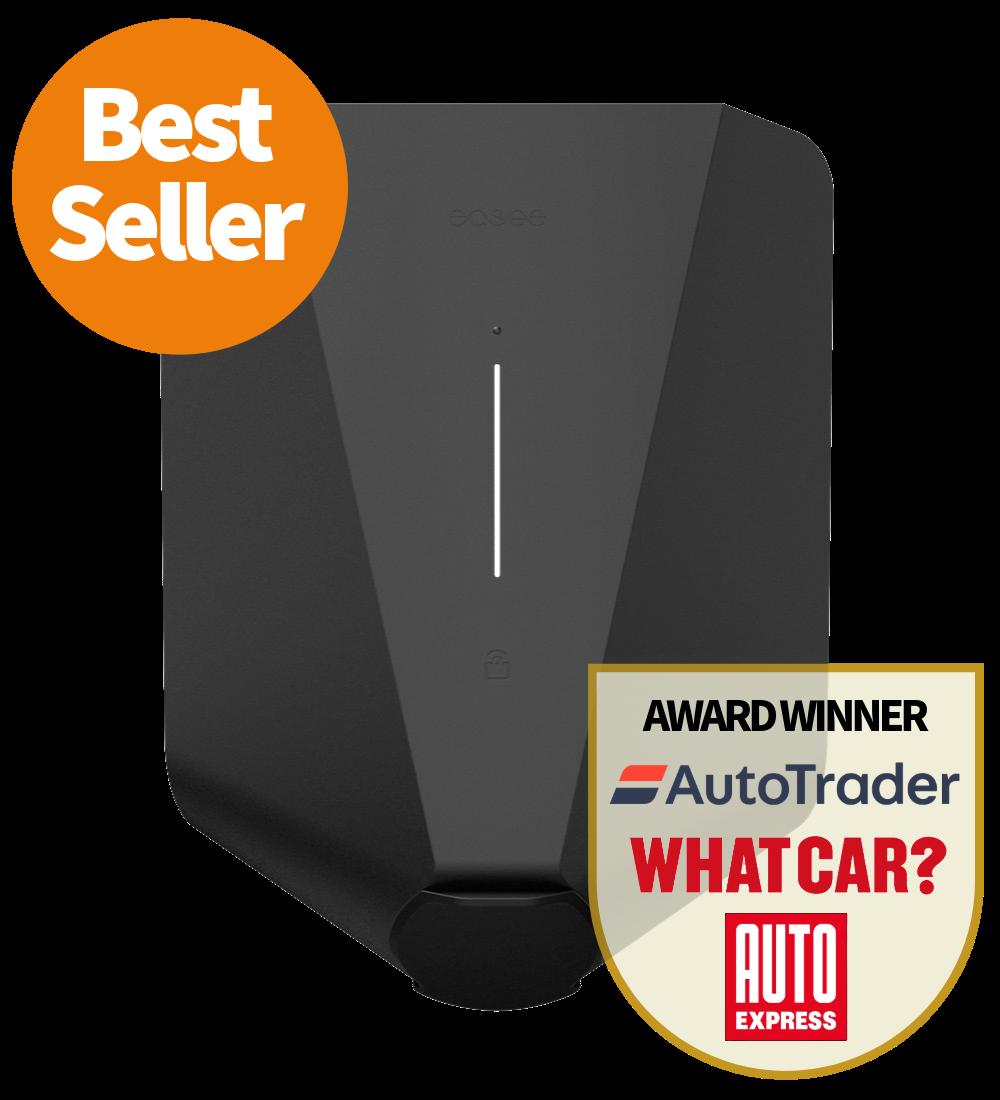
With installation
Charger only
Pay in full from
£918.00
£489.00
Pay monthly
£12.54
£163.00
 Tethered and untethered
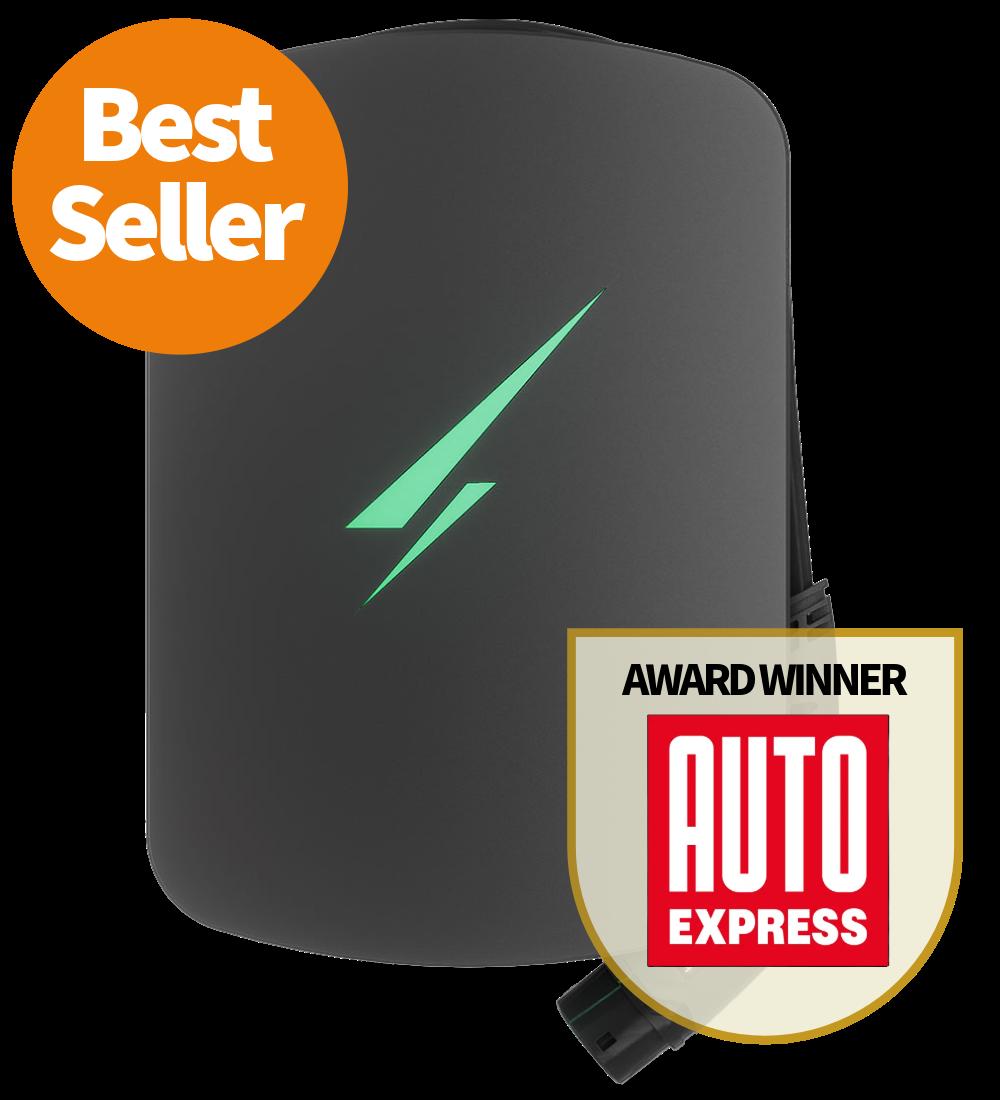
With installation
Charger only
Pay in full from
£1104
£642.00
Pay monthly
£15.98
£214.00
 Compatible with Intelligent Octopus
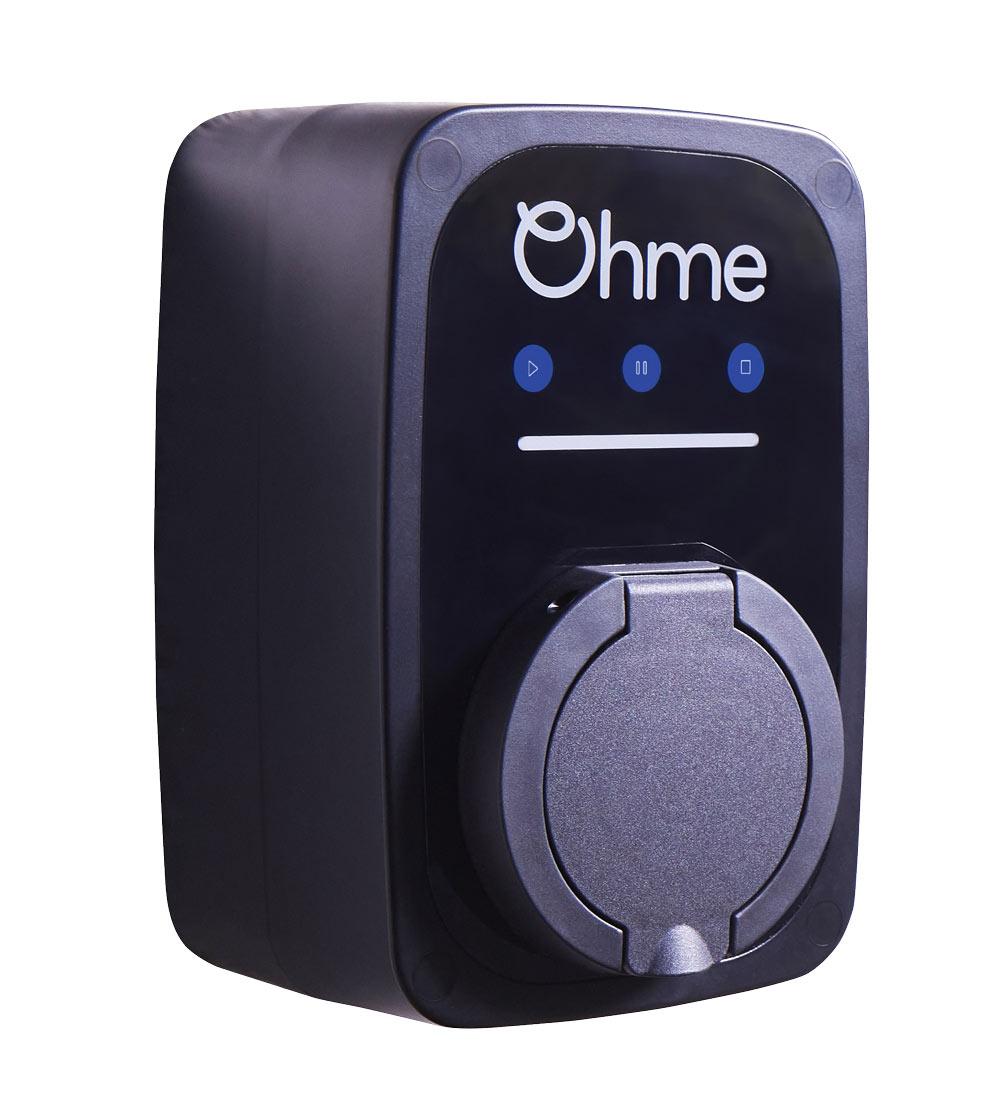
With installation
Charger only
Pay in full from
£932.40
£500.40
Pay monthly
£12.73
£166.80
Compatible with Intelligent Octopus
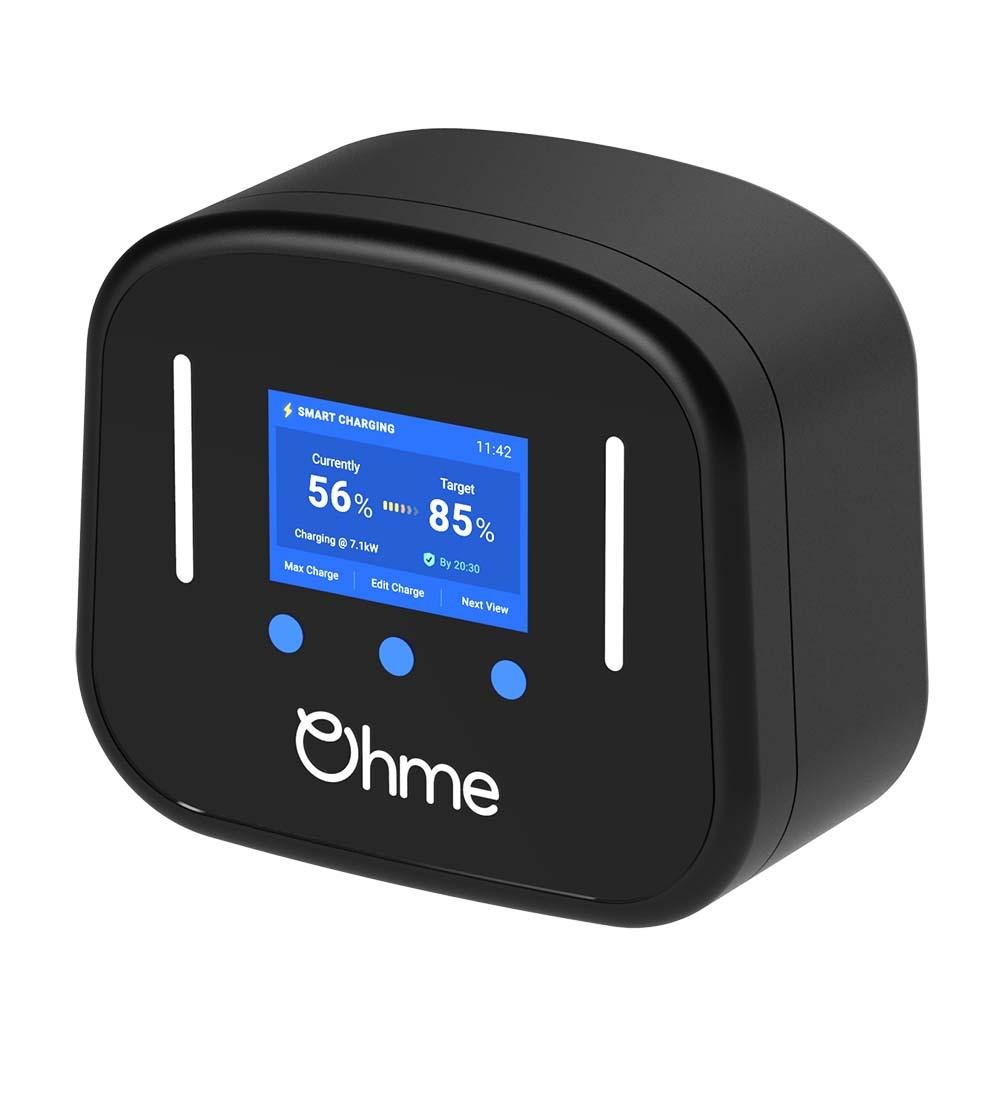
With installation
Charger only
Pay in full from
£982.50
£538.80
Pay monthly
£13.42
£179.60
Compatible with Intelligent Octopus
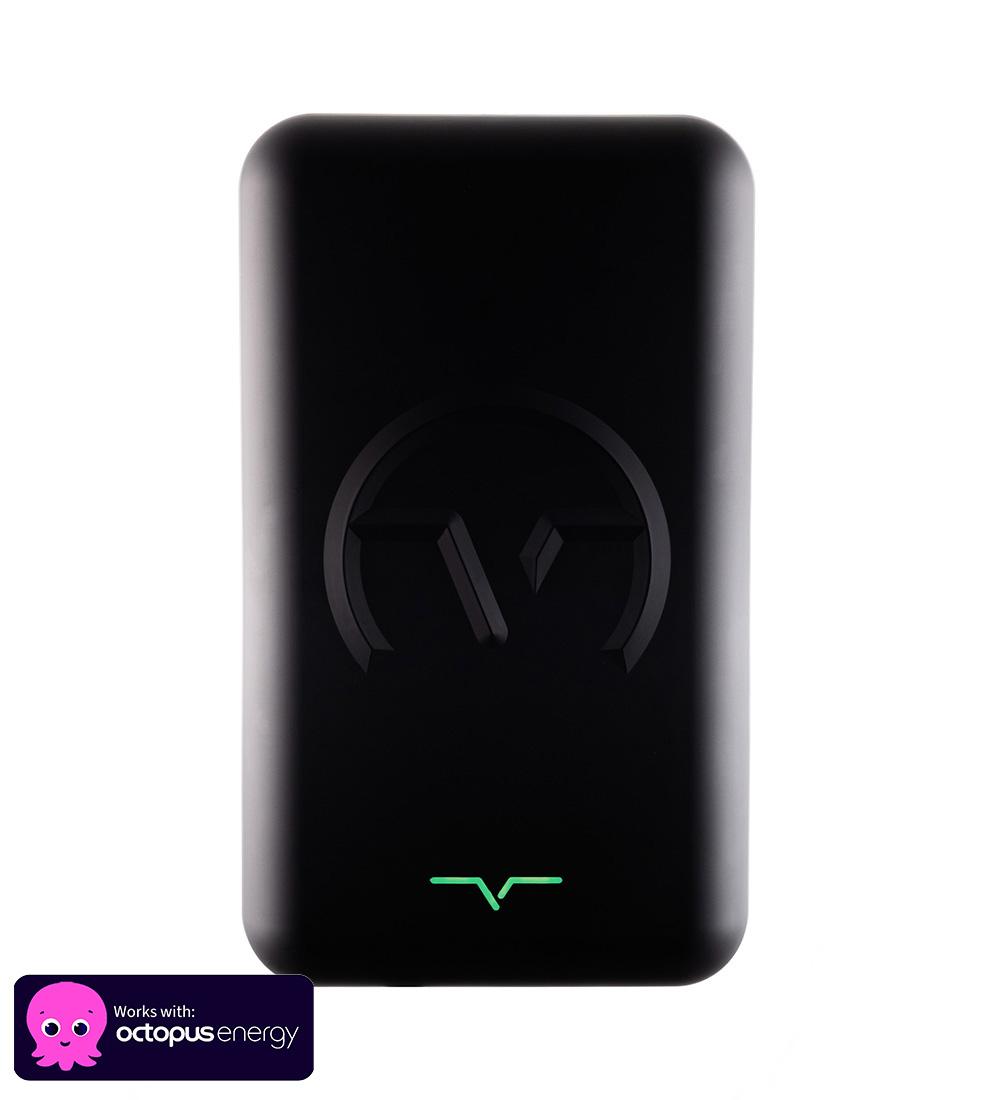
With installation
Charger only
Pay in full from
£774.90
£384.00
Pay monthly
£10.57
£128.00
Cheapest Intelligent Octopus charger
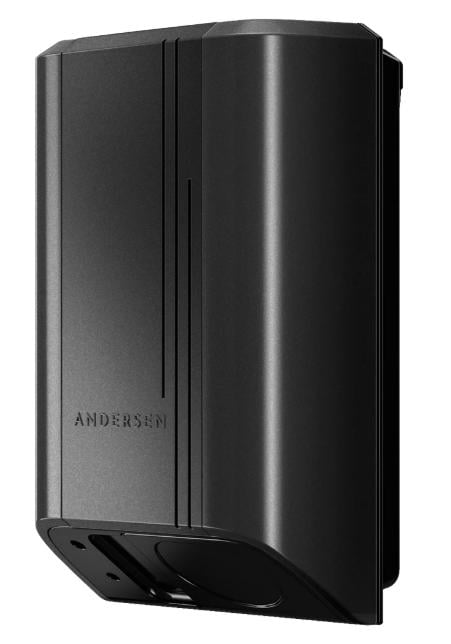
With installation
Charger only
Pay in full from
£1119
£710.76
Pay monthly
£14.87
£197.43
Compatible with Intelligent Octopus
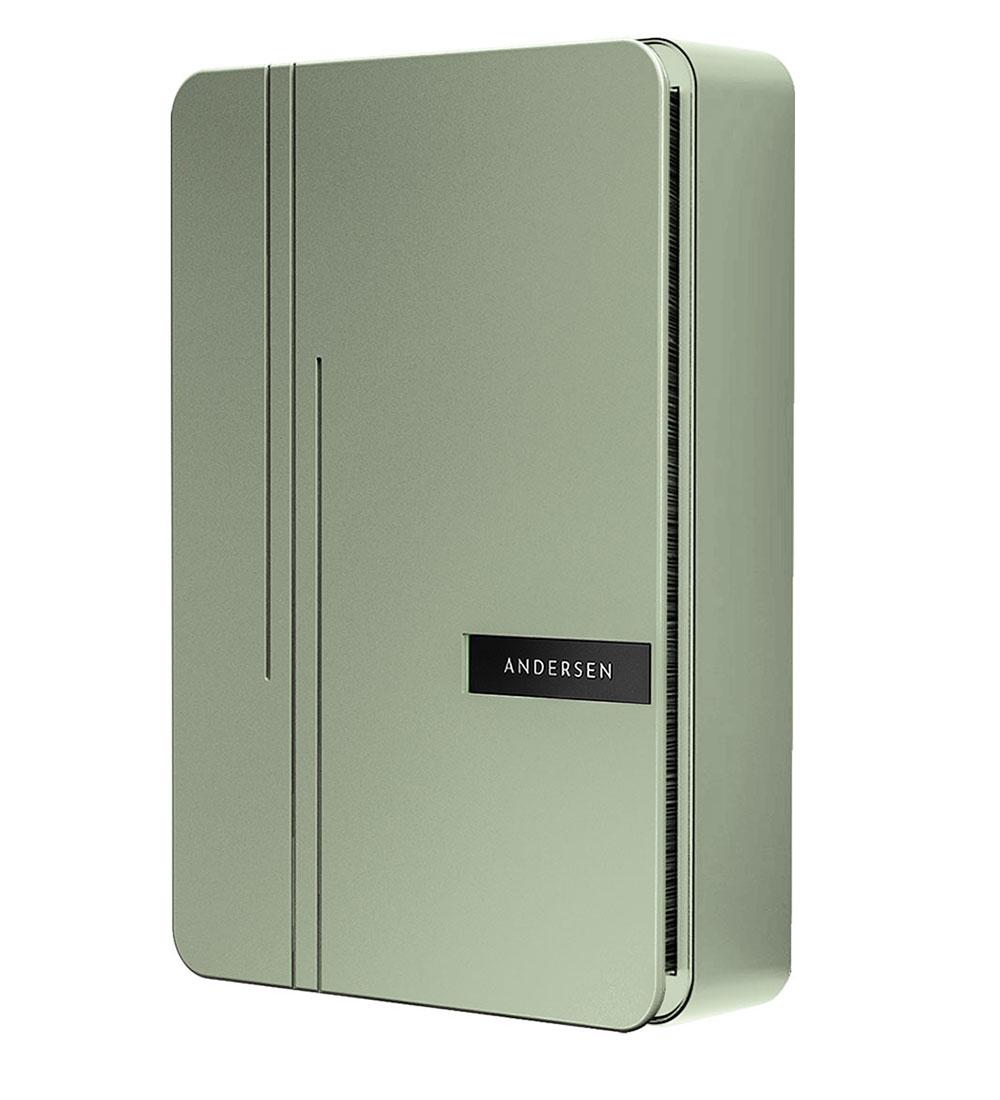
With installation
Charger only
Pay in full from
£1404
N/A
Pay monthly
£19.18
N/A
Compatible with Intelligent Octopus
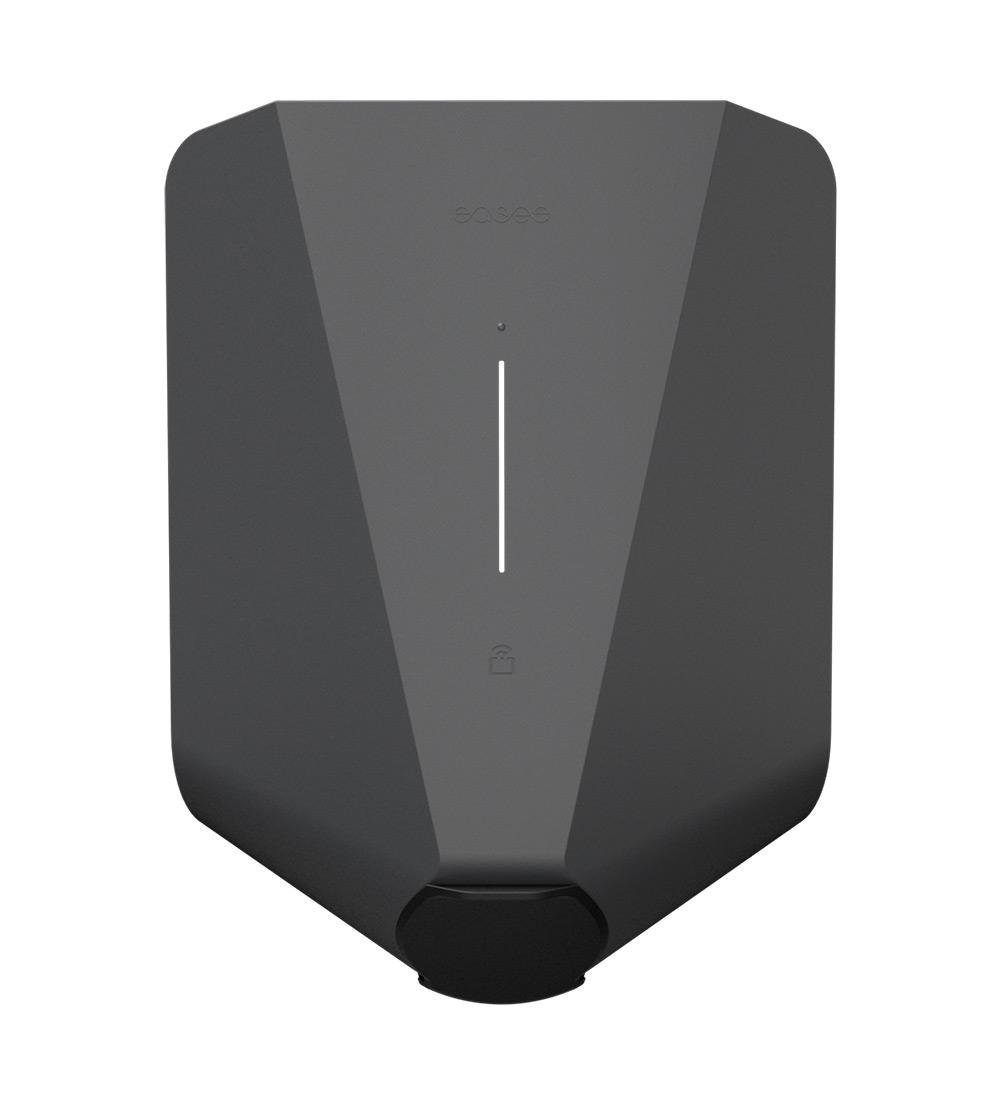
With installation
Charger only
Pay in full from
£1300
£679.00
Pay monthly
£17.75
£226.33
Tethered and untethered
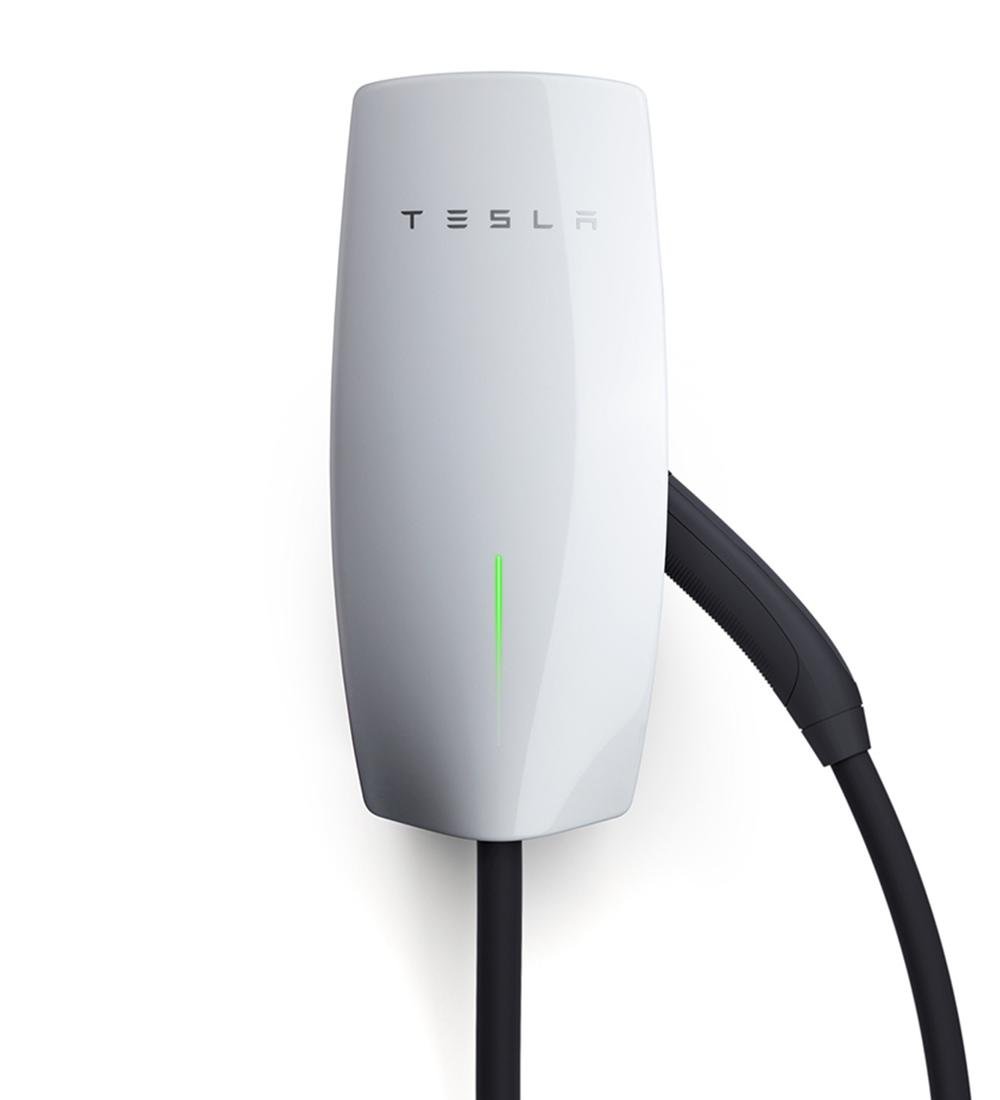
With installation
Charger only
Pay in full from
£999.43
£474.00
Pay monthly
£13.65
£158.00
 Tesla and non-tesla vehicle compatible