How much does it cost to charge an electric car at home?

Last updated: Jun 3, 2026
Charging an electric car at home is usually the cheapest and most convenient way to keep your EV topped up.
The exact cost depends on your electricity tariff, vehicle efficiency and battery size, but many drivers can charge for just a few pounds overnight.
To work out how much it costs to charge your electric car at home, you can use this simple formula:
Battery size (kWh) x electricity tariff (pence per kWh)
60kWh x 28p = £16.80 for a full charge*
*it’s worth noting that most drivers do not charge from 0–100% regularly. Instead, they typically top up between 20–80%, which lowers the cost further.
What is the cost per mile of charging my EV at home?
The exact cost depends on your vehicle's efficiency and the price you pay for electricity, but charging at home is usually significantly cheaper than driving a petrol or diesel car.
|
Charging method |
Typical Cost Per Mile |
|---|---|
|
Home charging on an EV tariff (7p/kWh) |
2–3p |
|
Home charging on a standard tariff (25–30p/kWh) |
7-10p |
|
Public rapid charging |
15–25p |
|
Typical petrol car |
15–20p |
As an example, a modern electric car that achieves around 4 miles per kWh would cost approximately 1.75p per mile on a 7p/kWh overnight EV tariff. The same vehicle would cost around 7.5p per mile on a standard domestic electricity tariff.
For drivers covering 10,000 miles per year, that's a potential saving of more than £1,000 annually compared with a typical petrol car.
The cheapest way to charge an electric vehicle is usually at home using a smart EV tariff. By automatically charging overnight when electricity prices are lower, many EV drivers can reduce their running costs to just a few pence per mile.
Factors that affect home charging cost
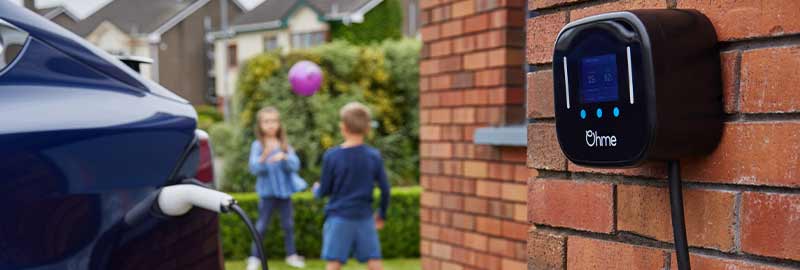
Several variables influence your final electric car charging bill:
Your energy tariff

Choosing the right energy supplier and tariff can save you hundreds of pounds per year in electric car charging costs. Charging a Tesla Model 3 Long Range (2024) using the UK's most popular energy tariffs, we get the results below:
|
Energy tariff |
Typical Cost 0-100% charge |
|---|---|
|
Home charging on a standard tariff (26.36p/kWh*) |
£20.58 |
|
Intelligent Octopus Go (8p/kWh) |
£6.25 |
|
EDF GoElectric (9p/kWh) |
£7.03 |
|
OVO Pay as you go (14p/kWh) |
£10.93 |
*Price is based on the Ofgem price cap as of June 2026
As you can see, using a standard tariff will likely still be cheaper than a petrol car but you could be saving a lot more by switching to an EV-friendly tariff, which we cover in-depth in our EV tariffs explained guide.
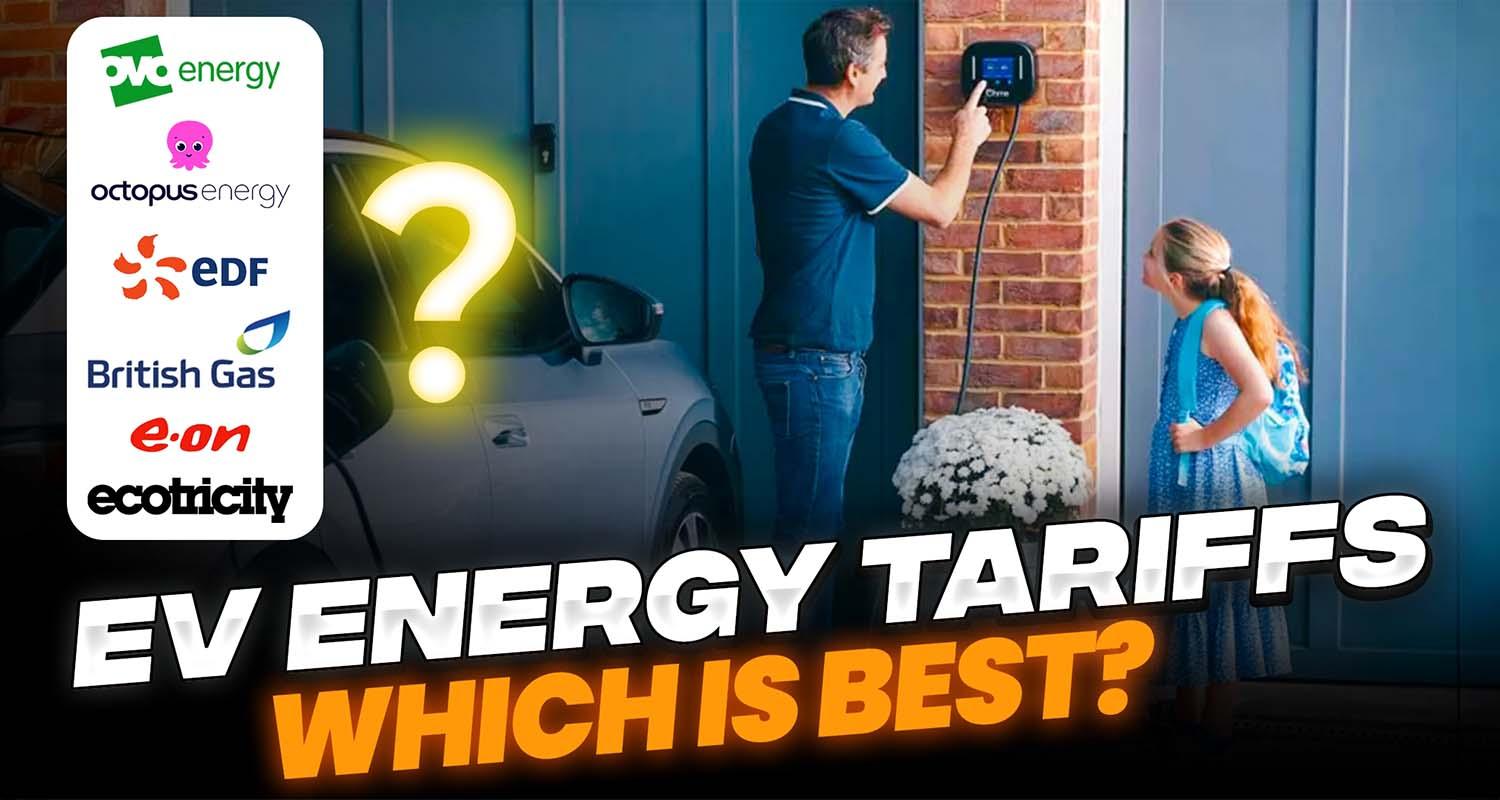
In a nutshell however, EV tariffs offer two energy rates called peak and off-peak, the latter of which is heavily discounted and perfect for charging your electric vehicle with.
When the off-peak rate occurs depends on the supplier and tariff but usually it's around midnight and lasts for around five hours.
This is where a dedicated EV home charging point comes in handy as it can be schedule charge sessions to coincide with the off-peak hours of your energy tariff.
Charging efficiency

Some energy is lost during the transfer from your electric car charger to your battery, usually around 10–15%, which increases the actual cost slightly.
Vehicle size and usage
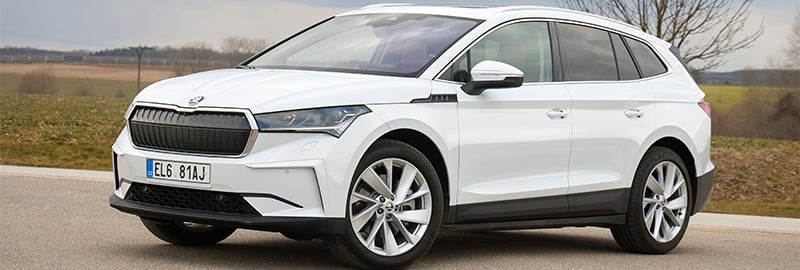
Larger EV batteries require more electricity. Similarly, regular long-distance drivers will naturally pay more in monthly charging costs than occasional commuters. Some Electric cars are also more effieicent than others. Like petrol and diesel cars, electric cars measure their efficiency in miles to the kilowatt hours.
Electric vehicle make and model
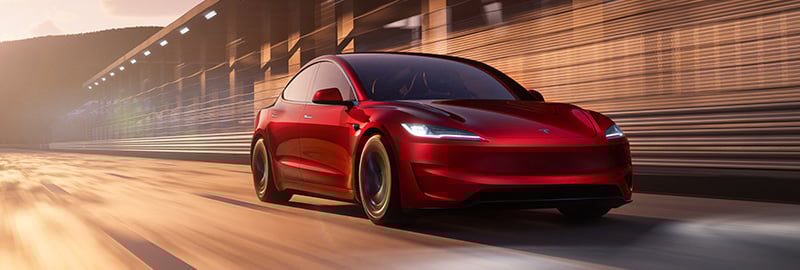
Not all electric cars have the same battery capacity or charging efficiency. For example, a Tesla Model 3 may cost less to run than a larger SUV like the Audi Q8 e-tron.
Smart charger scheduling
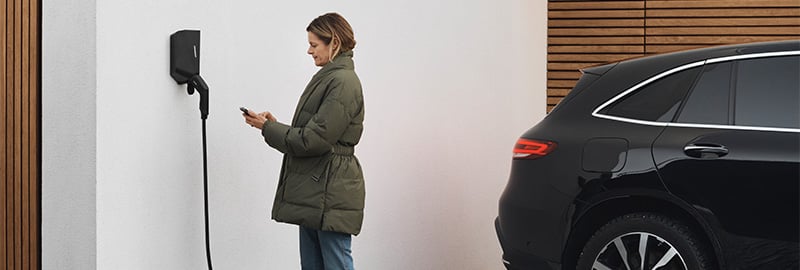
Using a smart dedicated home ev charger allows you to schedule your electric car charging sessions during the cheapest times of day, especially useful if you're on a time-of-use or EV tariff.
How to reduce electric vehicle charging costs at home
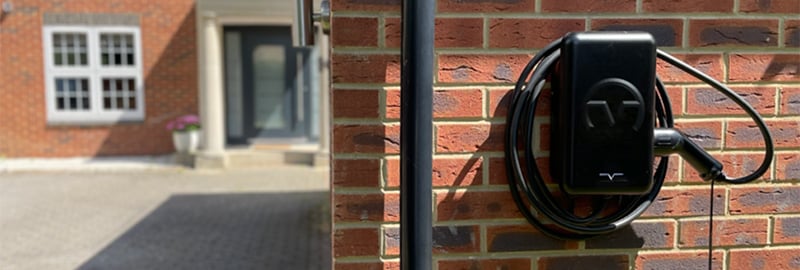
There are several ways to cut your home charging bill:
1. Switch to an electric vehicle specific or off-peak tariff
Suppliers like Octopus Energy and OVO offer special rates for EV drivers, with electricity as low as 7p/kWh during off-peak periods.
2. Use smart charging features
Set your charger to automatically start during low-cost hours, avoiding peak prices.
3. Charge using solar energy
Some home EV chargers can divert excess solar energy to a connected electric car
Want to find out more ways you can save money on your electric car charging costs?
Head over to our 11 ways to save on your electric car charging costs!
How home charging costs compare to petrol/diesel
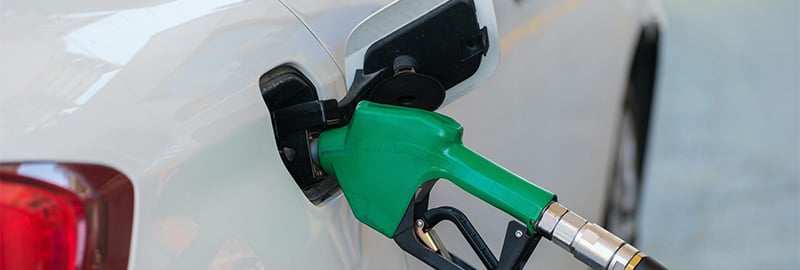
Let’s break it down simply:
-
home EV charging cost at the standard rate: 7–9p per mile
-
Cost of charging EV at home using off-peak energy: 2–3p per mile
-
fuelling a petrol or diesel car: 15–20p per mile
That means even on a standard tariff, driving an EV can halve your fuel costs — and the savings are even greater with an off-peak tariff.
Over the course of a year, this could save the average UK driver hundreds of pounds.
FAQs
Why is it cheaper to charge an electric car at night?
Electricity demand is lower overnight, so many energy providers offer cheaper rates during these hours.
Do I need a special electricity tariff for EV charging?
Not necessarily, but switching to an EV-friendly tariff can significantly lower your charging costs.
Why does my EV charging cost vary each month?
Seasonal usage, driving patterns, tariff changes and energy efficiency all affect your monthly cost.
Can I save money by charging my EV using solar panels?
Yes! If your system is sized correctly and you're home during daylight hours, solar charging can be nearly free. Be sure to check out our solar EV charging guide to find out if you could benefit from a solar EV charger
Is it worth getting a smart charger to save money?
Absolutely! Smart home chargers make it easy to schedule off-peak charging and integrate with solar setups, maximising your savings.
By understanding these variables and making smart decisions around tariffs and technology, you can keep your EV charging costs low while enjoying the benefits of electric motoring.
For tailored recommendations and expert advice, visit Smart Home Charge — your trusted partner in EV charging solutions.