
BMW i3 charging guide

Last updated: Jun 15, 2026
The BMW i3 was one of the most distinctive early mass-market electric vehicles, combining lightweight construction with urban efficiency.
Although production has now ended, the i3 remains a popular used electric car thanks to its low running costs, compact size and practical EV charging capability.
Unlike vehicles powered by an internal combustion engine, the fully electric BMW i3 relies entirely on electricity to recharge its battery. Some earlier versions were also available with a small petrol range extender, but the core driving experience is electric.
Here’s everything drivers need to know about BMW i3 charging, battery capacity, charge time and real-world range.
BMW i3 charging at a glance

The BMW i3 supports both AC charging and DC rapid charging via a CCS connection (on most UK models).
Key charging details include:
Battery capacity options:
22 kWh (early models)
33 kWh (94Ah models)
42.2 kWh (120Ah models)
AC charging power: Up to 7.4 kW via the onboard charger
DC rapid charging: Up to 50 kW
Connector type: Type 2 (AC) and CCS (DC)
With support for both home charging and public charging stations, the BMW i3 remains compatible with today’s EV charging infrastructure across the UK.
What is the electric range of the BMW i3?
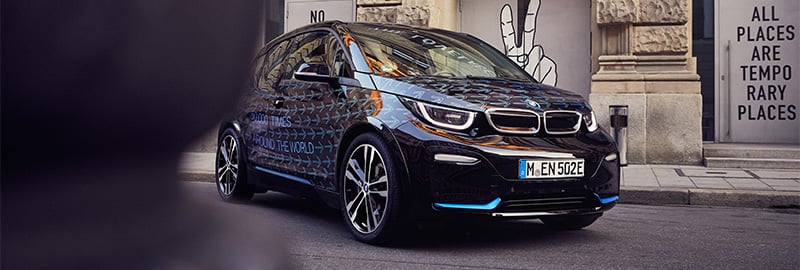
The BMW i3 was offered with multiple battery sizes, which directly affect electric range:
22 kWh battery: Around 120–130 miles (real-world closer to 90–100 miles)
33 kWh battery (94Ah): Around 190 miles (WLTP), typically 140–160 miles in practice
42.2 kWh battery (120Ah): Up to 190–200 real-world miles depending on conditions
Range will vary depending on driving style, ambient temperature and road type. Cold weather can reduce efficiency, while smooth urban driving improves energy consumption.
For city drivers, the i3’s range is usually more than enough for several days between charges on a single charge.
Charging the BMW i3
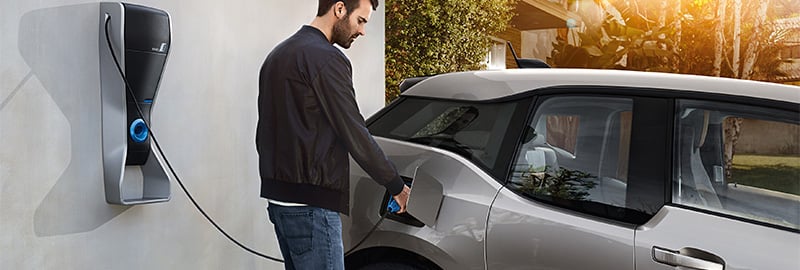
The BMW i3 charging process is simple and user-friendly.
To begin a charging session:
Open the charging flap on the rear side panel.
Plug the charging cable into the charging port.
Connect to a compatible charger or public charge point.
Authenticate at the charging station if required.
The onboard system regulates power delivery to protect battery life and ensure safe recharging. Drivers can monitor battery percentage, charging speed and estimated charge time via the dashboard or BMW app.
Once charging is complete, simply unplug the cable and continue your journey.
If using a DC rapid charging station, connect via the CCS connector for faster charging speeds.
How fast can the BMW i3 charge when using a home EV charger?
For most owners, home charging is the most convenient way to recharge the BMW i3.
The vehicle supports up to 7.4 kW AC charging. With a properly installed wall charger:
22 kWh battery: Around 3–4 hours to fully charge
33 kWh battery: Around 4–5 hours
42.2 kWh battery: Around 5–6 hours
The time required depends on battery size and starting charge level.
While it’s possible to recharge using a three-pin plug, this slow charging method can take significantly longer and is less practical for daily use.
Switching to off-peak electricity tariffs can help reduce running costs.
What home EV chargers work best with the BMW i3?
The BMW i3 uses a Type 2 AC connection and is compatible with most standard 7 kW home chargers.
When choosing a charger, consider:
Smart scheduling features
Integration with EV electricity tariffs
Professional installation
Energy monitoring via app
Installing higher-rated AC equipment (such as 22 kW) will not allow the car to charge faster, as the onboard charger limits AC charging to around 7.4 kW.
A smart wall charger provides the safest and most convenient solution for daily EV charging.
How fast can the BMW i3 charge at a rapid charging station?
The BMW i3 supports DC rapid charging up to 50 kW via CCS.
At a compatible rapid charging station:
10–80% charge time: Approximately 30–40 minutes depending on battery size
Charging speed slows as the battery approaches full capacity, which is normal and helps protect battery longevity.
Although the i3 cannot use ultra-high power 150 kW or 350 kW chargers at full speed, 50 kW rapid charging is more than sufficient for topping up during longer journeys.
How many versions of the BMW i3 are there?
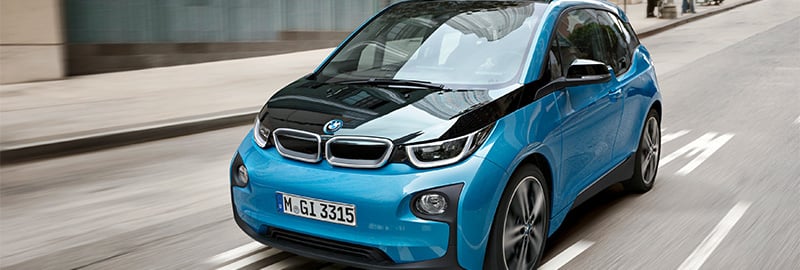
The BMW i3 was offered in several variations:
22 kWh (early models)
33 kWh (94Ah)
42.2 kWh (120Ah)
Optional Range Extender (REx) models with a small petrol generator
The Range Extender version includes a small internal combustion engine that acts purely as a generator to recharge the battery when it runs low. However, the driving experience remains primarily electric.
What are the specifications of the BMW i3?
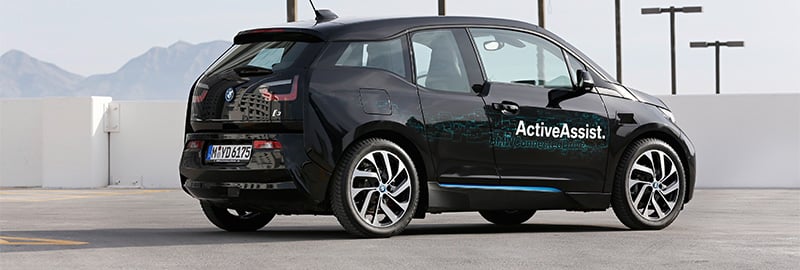
While specifications vary by model year, key features typically include:
Rear-mounted electric motor
Rear-wheel drive
Lithium-ion battery (22–42.2 kWh depending on version)
Type 2 AC charging port
CCS DC rapid charging capability
Lightweight carbon fibre reinforced structure
As a fully electric vehicle, the BMW i3 produces zero tailpipe emissions when driving in electric mode.
BMW i3 – Battery capacity
Battery capacity evolved significantly throughout the i3’s production life.
The larger 120Ah (42.2 kWh) battery provides substantially improved range and usability compared to early versions.
BMW’s battery management system carefully regulates temperature and charging power to protect battery life and maintain long-term performance.
Driving habits, charging frequency and ambient temperature all influence battery longevity over time.
BMW i3 – Performance
Despite its compact size, the BMW i3 delivers lively performance.
Instant torque from the electric motor provides quick acceleration in urban environments, and the lightweight construction enhances agility. The i3’s tight turning circle makes it especially well suited to city driving.
While not designed as a long-distance motorway cruiser, the BMW i3 remains one of the most innovative and characterful electric cars ever produced.
For drivers seeking a distinctive electric vehicle with practical charging compatibility and low running costs, the BMW i3 continues to be a compelling used EV option.

BMW i3 Home EV Chargers

With installation
Charger only
Pay in full from
£918.00
£489.00
Pay monthly
£12.54
£163.00
 Tethered and untethered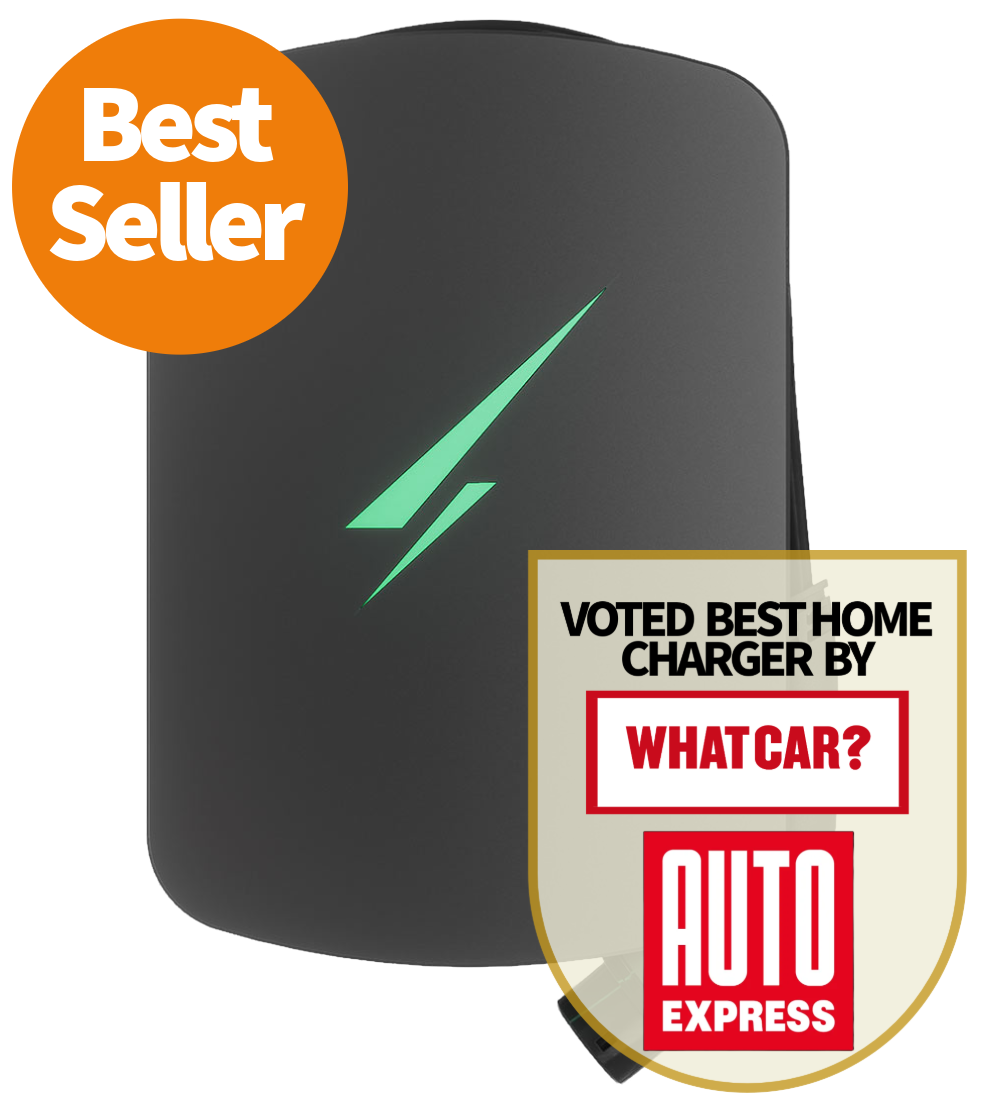
With installation
Charger only
Pay in full from
£1074
£642.00
Pay monthly
£14.68
£214.00
 Compatible with Intelligent Octopus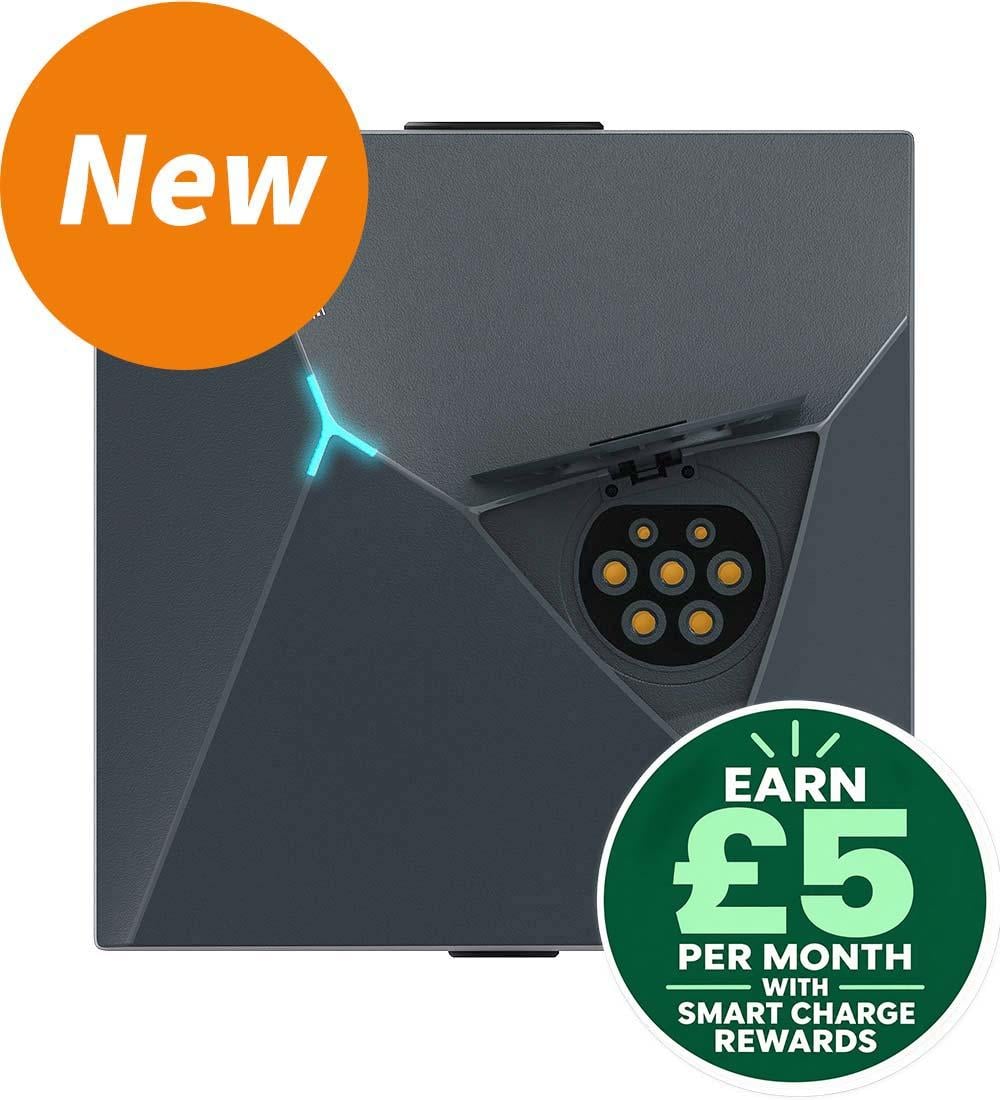
With installation
Charger only
Pay in full from
£846.90
£492.00
Pay monthly
£11.56
£164.00
Intelligent Octopus Compatible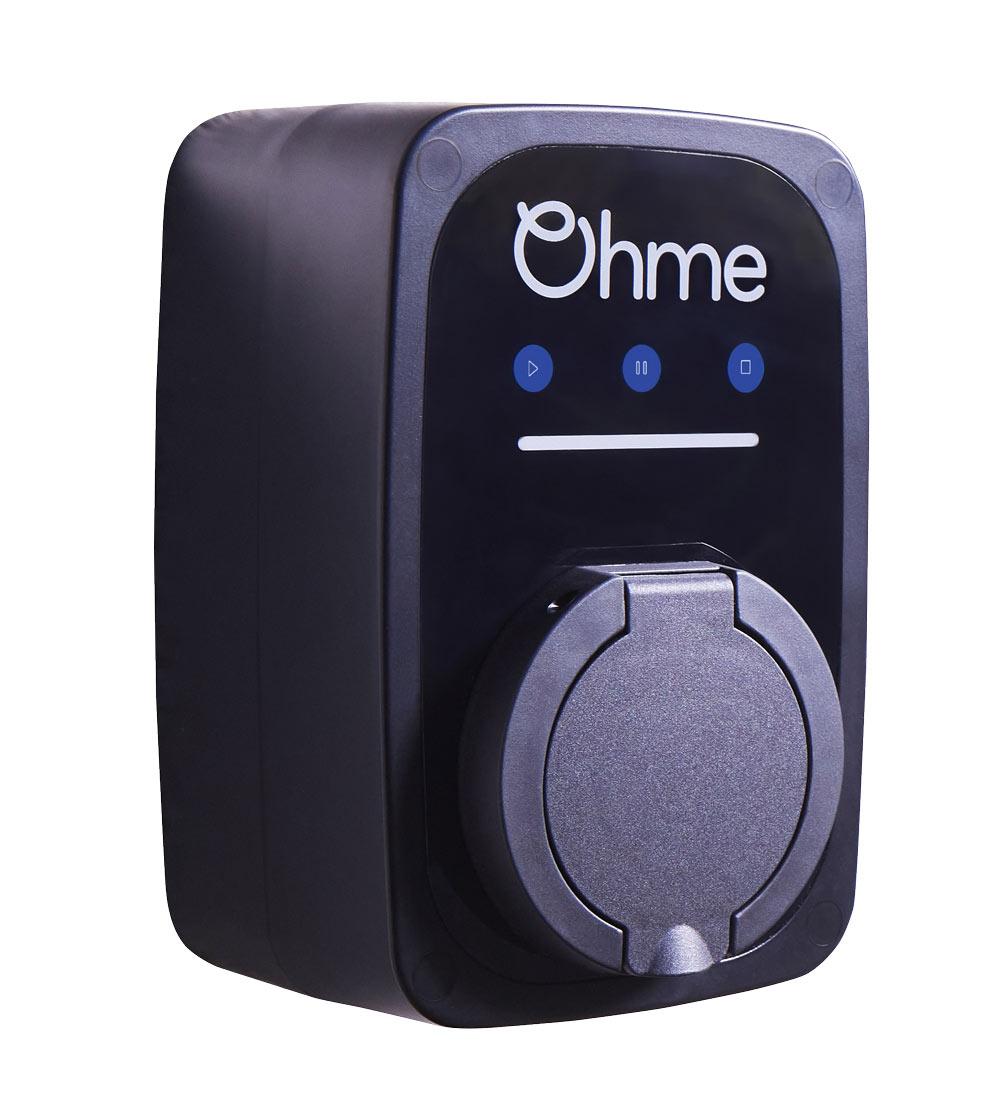
With installation
Charger only
Pay in full from
£932.40
£500.40
Pay monthly
£12.73
£166.80
Compatible with Intelligent Octopus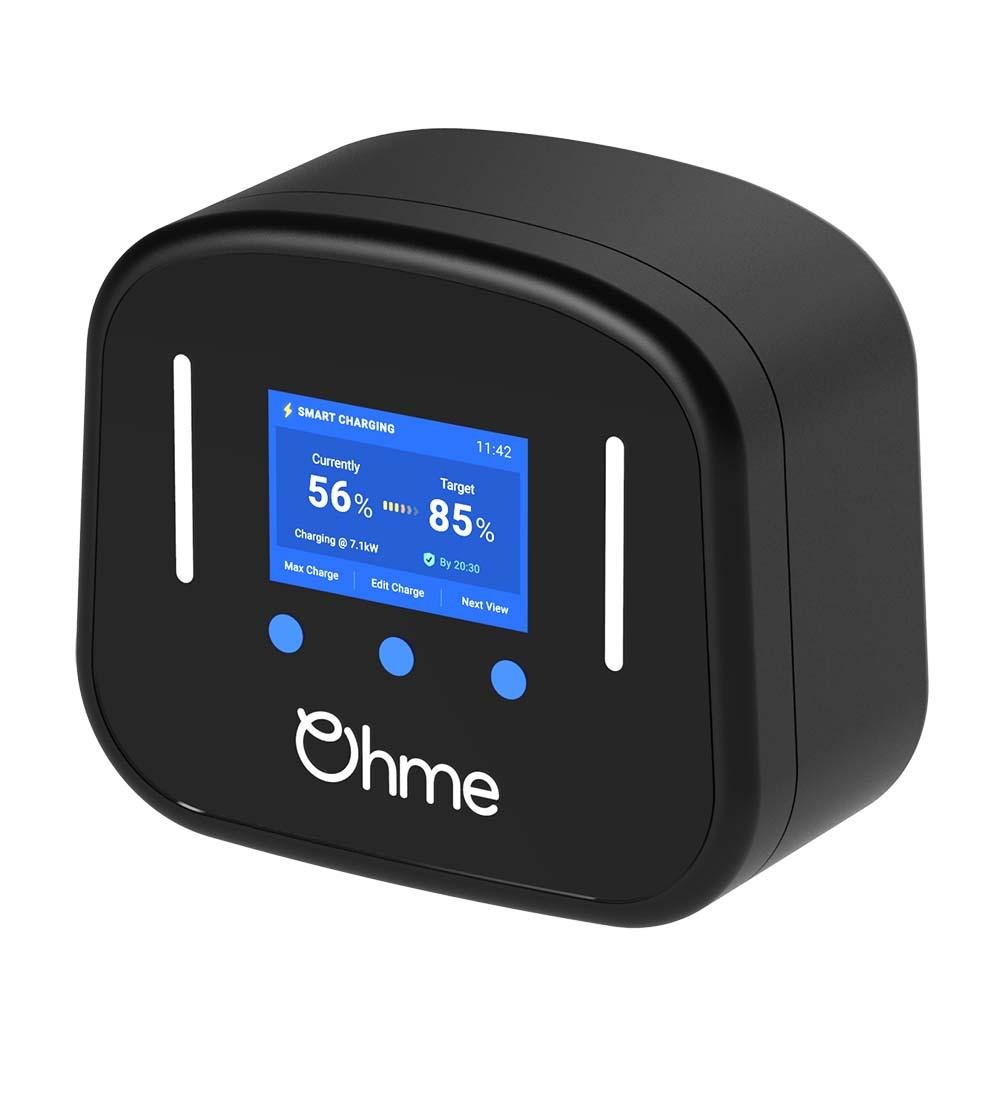
With installation
Charger only
Pay in full from
£982.50
£538.80
Pay monthly
£13.42
£179.60
Compatible with Intelligent Octopus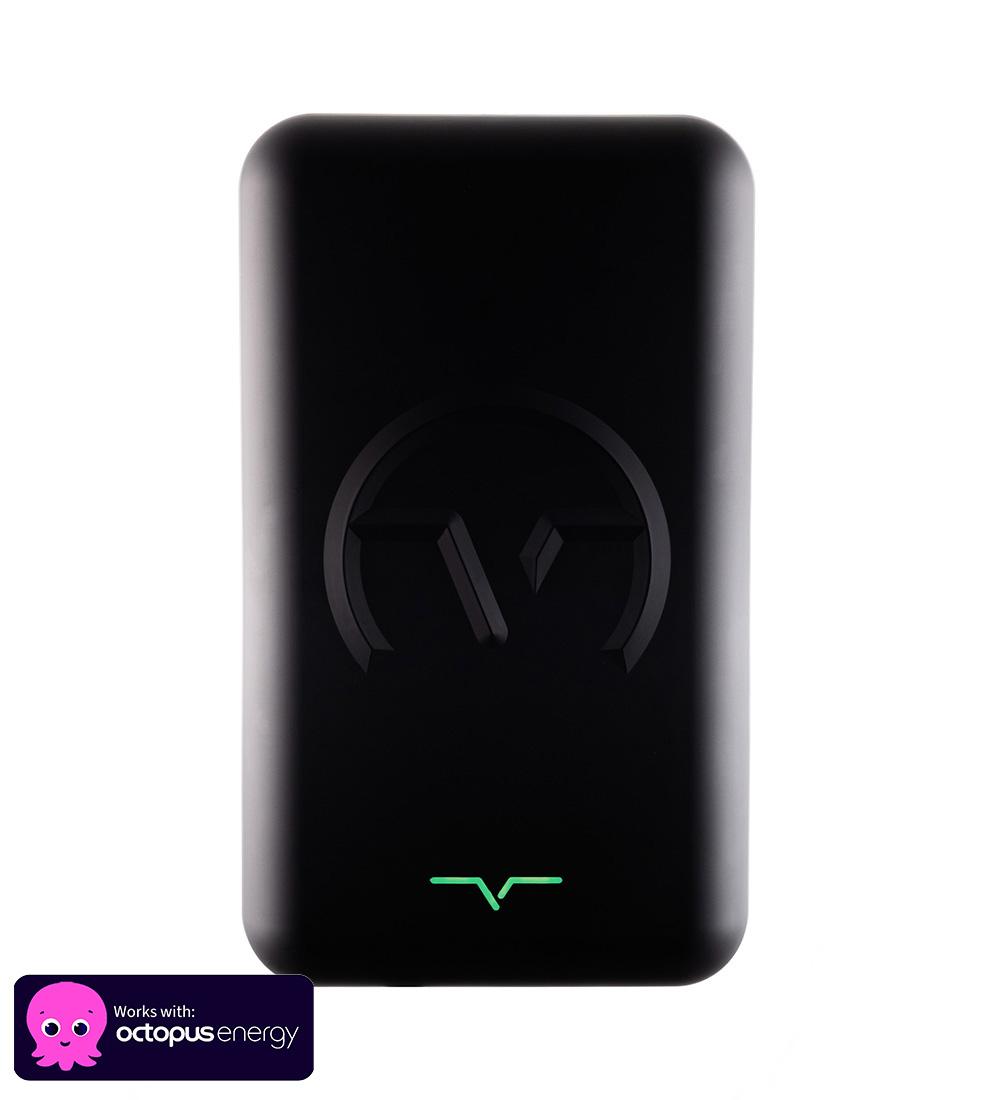
With installation
Charger only
Pay in full from
£774.90
£384.00
Pay monthly
£10.57
£128.00
Compatible with Intelligent Octopus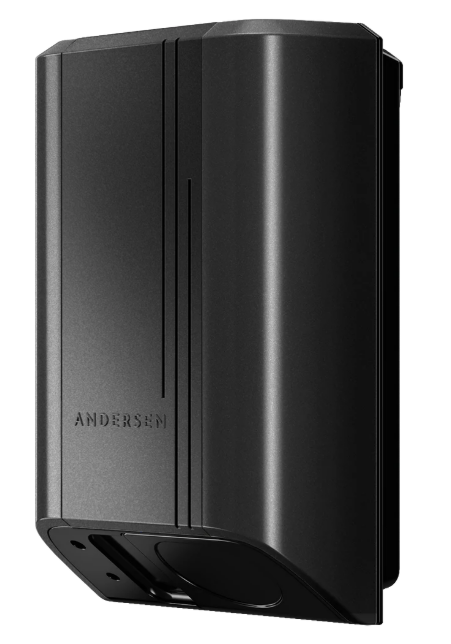
With installation
Charger only
Pay in full from
£1119
£710.76
Pay monthly
£14.87
£197.43
Compatible with Intelligent Octopus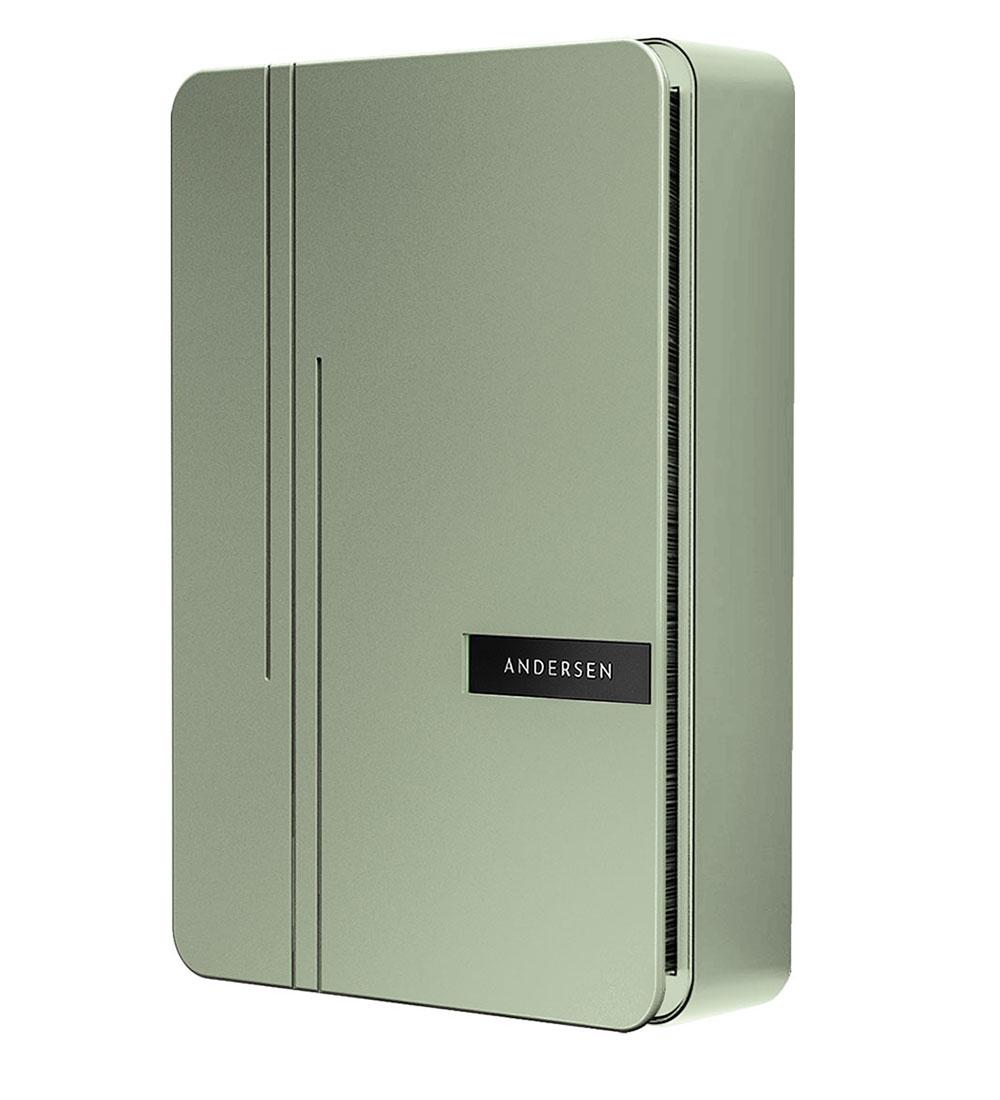
With installation
Charger only
Pay in full from
£1404
N/A
Pay monthly
£19.18
N/A
Compatible with Intelligent Octopus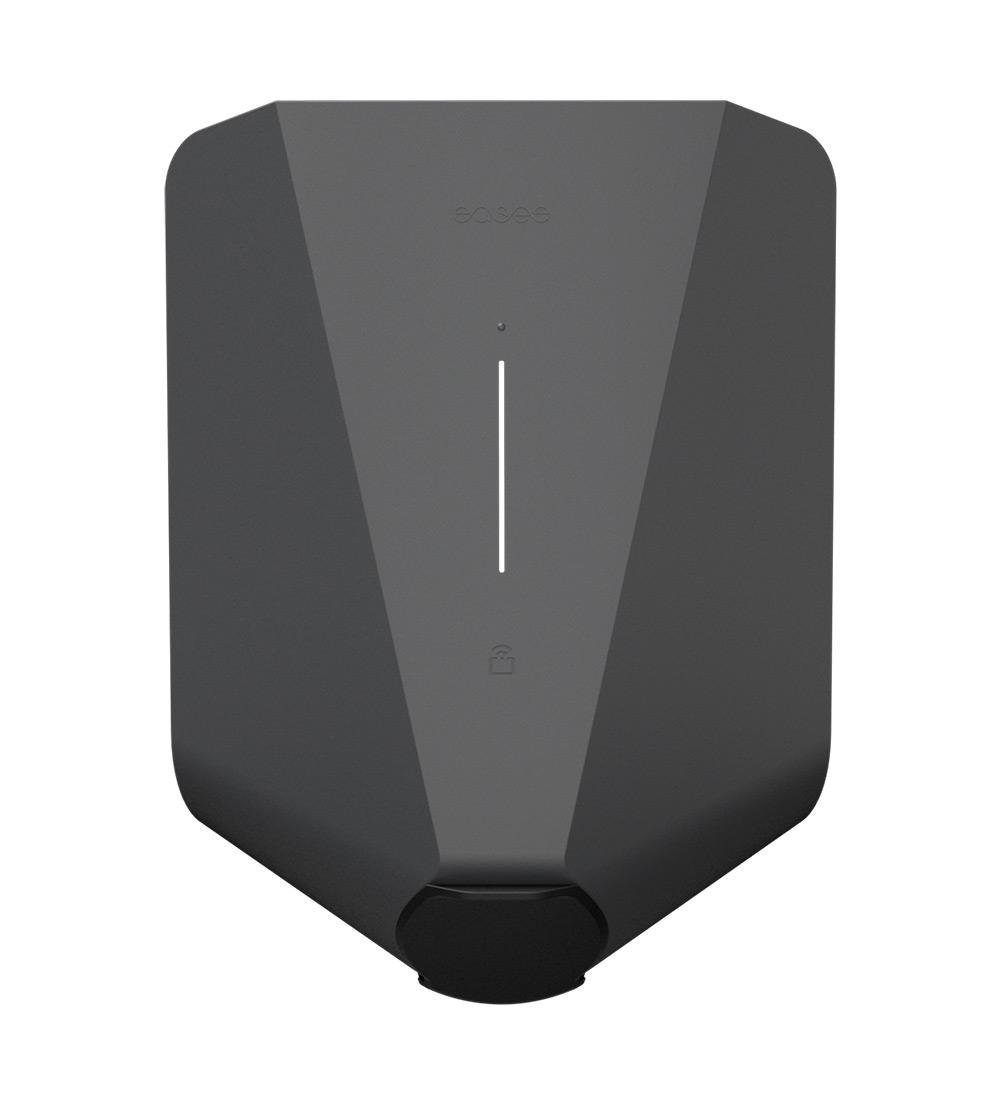
With installation
Charger only
Pay in full from
£1300
£679.00
Pay monthly
£17.75
£226.33
Tethered and untethered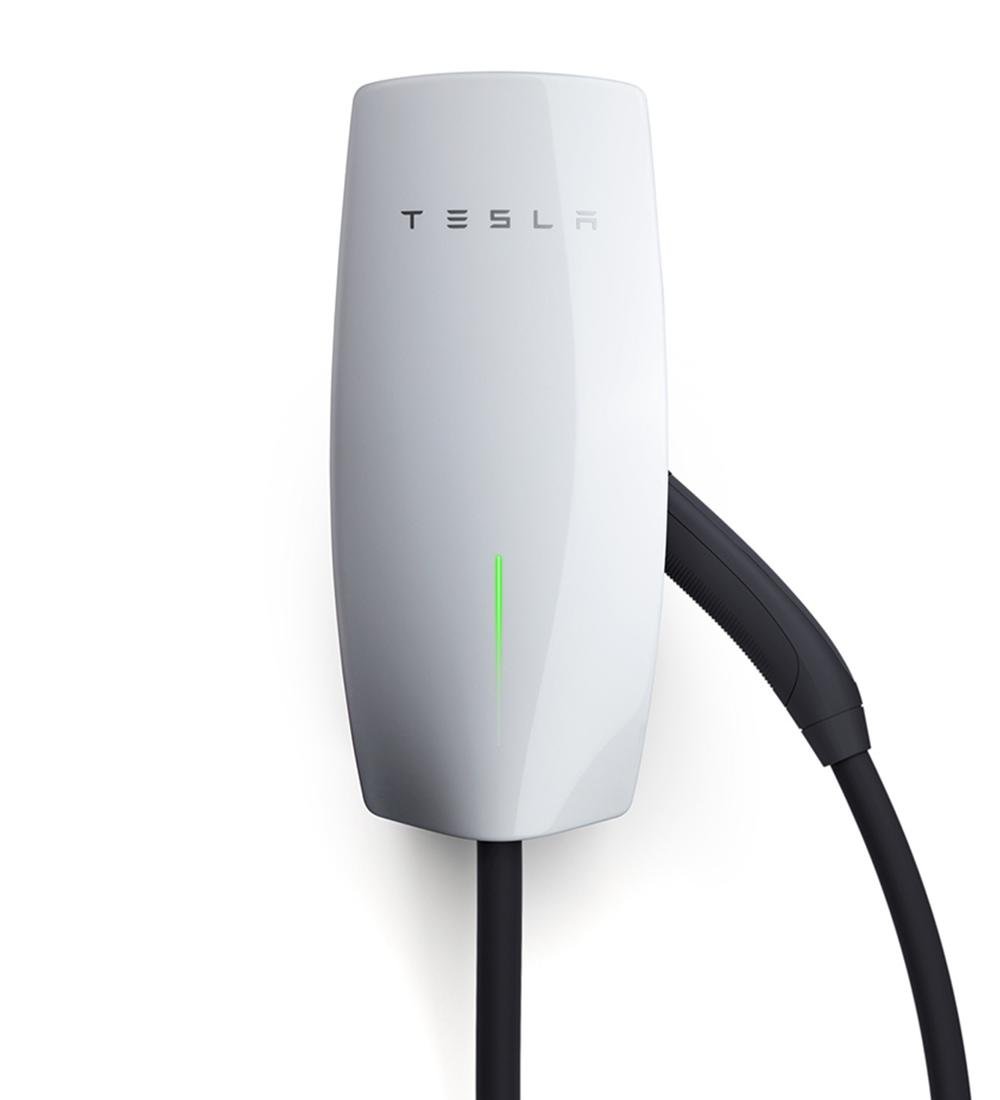
With installation
Charger only
Pay in full from
£999.43
£474.00
Pay monthly
£13.65
£158.00
 Tesla and non-tesla vehicle compatible