
Vchrgd Seven Review
The Vchrgd Seven promises smart features for less. We review its design, app and tariff integration to see if it’s worth buying.
Product overview
Design 3/5
Build Quality 3/5
Reliability 4/5
App Features 5/5
User Experience 3/5
Customer Service 3/5

Last updated: Aug 21, 2026
Pros | Cons |
- The cheapest Intellgent Octopus Go compatible charger | - Finish on the front is prone to scratching |
- Untethered version features cable locking | - Changing the WiFI details requires a separate app |
- Three year warranty | - No colour options other than black |
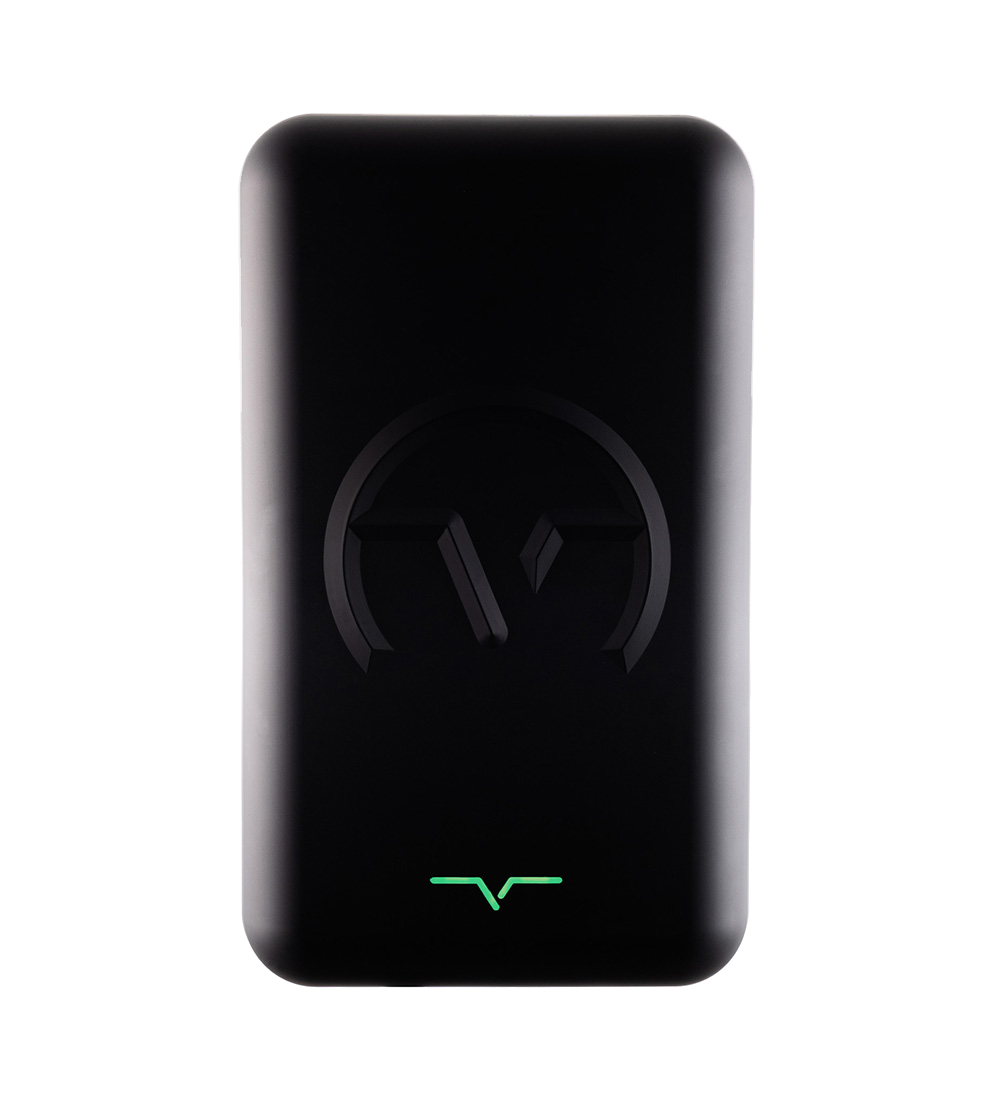
The Vchrgd Seven is a budget home EV charger that won’t wow you with standout design or groundbreaking features.
It just charges your car as you’d expect… and then some.
For less than £1,000 installed, the Vchrgd Seven gives you a smart, regs-compliant EV charger packed with genuinely useful features like smart tariff integration, dynamic load balancing and even solar integration.
So, should you buy this home EV charger over its pricier rivals?
Get a Vchrgd Seven quote
Whether you need a full installation or just want to buy the charger on its own, order your Vchrgd Seven from
Design - Unassuming but not boring
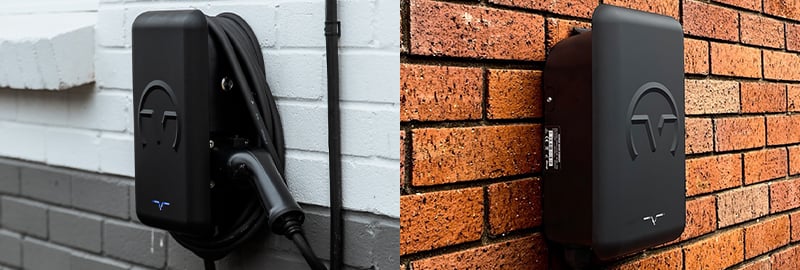
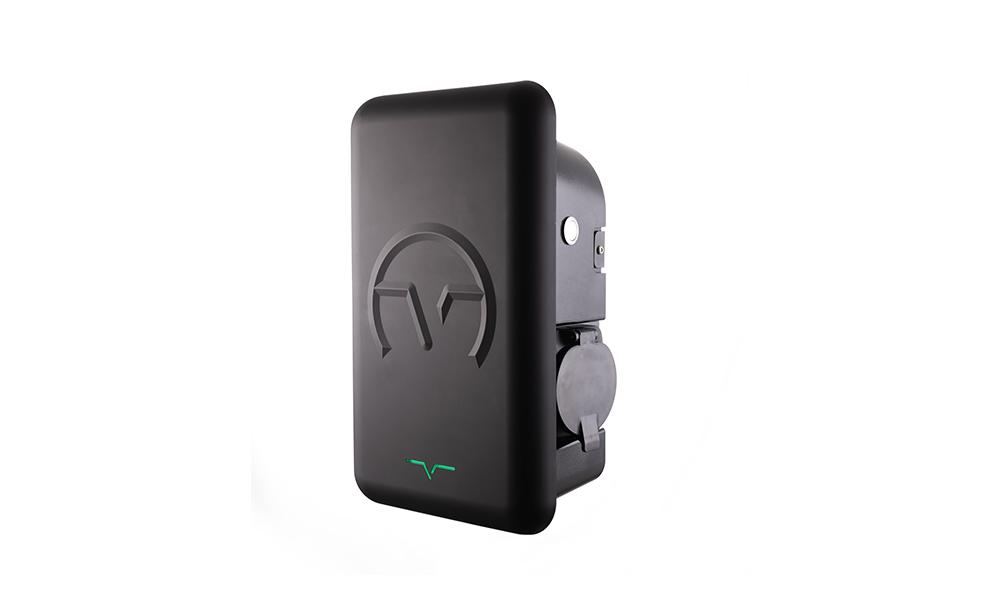
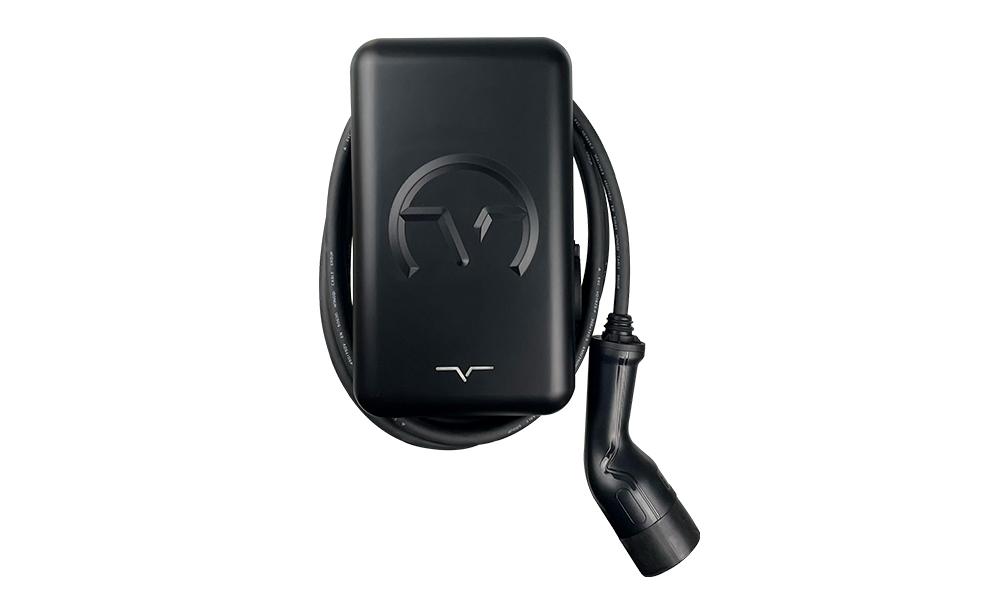
The Vchrgd Seven is a versatile unit, available with either a permanently attached 5-metre charging cable (tethered) or a socket for using your own EV cable (untethered).
What’s particularly handy is that the untethered version has a cable lock feature, effectively turning it into a tethered unit so you can leave the EV charging cable plugged in if you wish – a feature that was previously exclusive to the Easee One.
Looks-wise, the Vchrgd Seven is far from ugly, but it won’t be winning any design awards either.
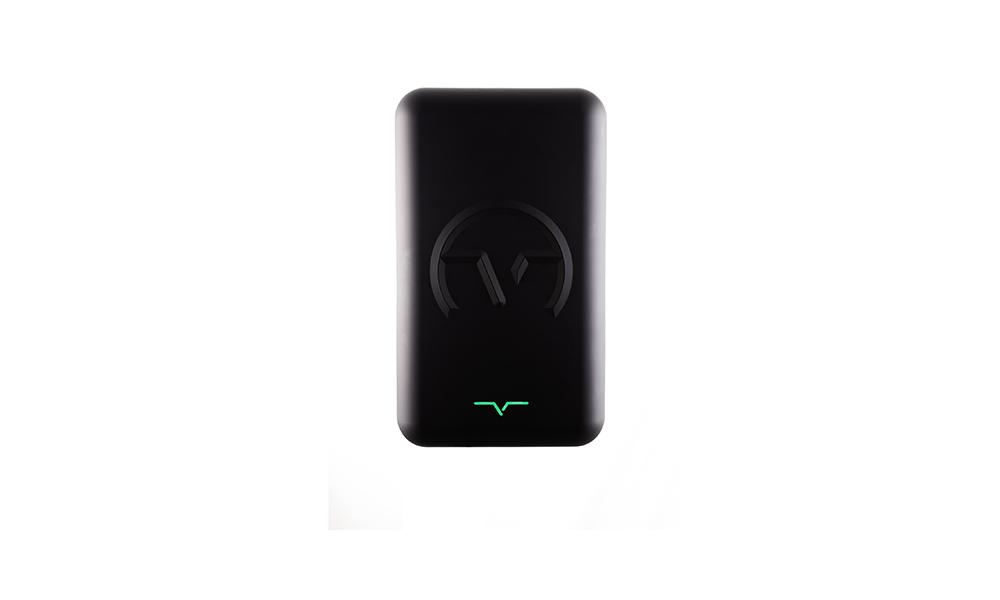
The Vchrgd Seven is made from robust-feeling black plastic, with a mid-sized rectangular shape that shouldn’t look out of place on most walls.
One thing to note, though, is that it protrudes quite a bit, which may make it less suitable for narrow pathways.
The matte finish on the front looks great out of the box, but it is prone to scratching.
Design features
Dig a little deeper into the Vchrgd Seven and you’ll find a few more thoughtful touches.
There’s a physical button on the side for starting and stopping charge sessions without using the app, which can be disabled to prevent accidental use.
You can also assign an RFID card that lets you turn charging on and off at the tap of a registered card if you want a more secure way to control EV charging.
In terms of connectivity, the Vchrgd Seven primarily uses WiFi, which proved reliable in our testing, maintaining a stable connection even at a distance from the router.
There’s also Bluetooth as a backup if you do experience any signal issues.
One drawback is that WiFi settings can’t be changed via the user app.
Instead, you’ll need to use the installer app to access the charger’s backend settings. It’s not something you’ll do often, but it could be inconvenient if you switch broadband providers or move house.
Does it do solar charging?
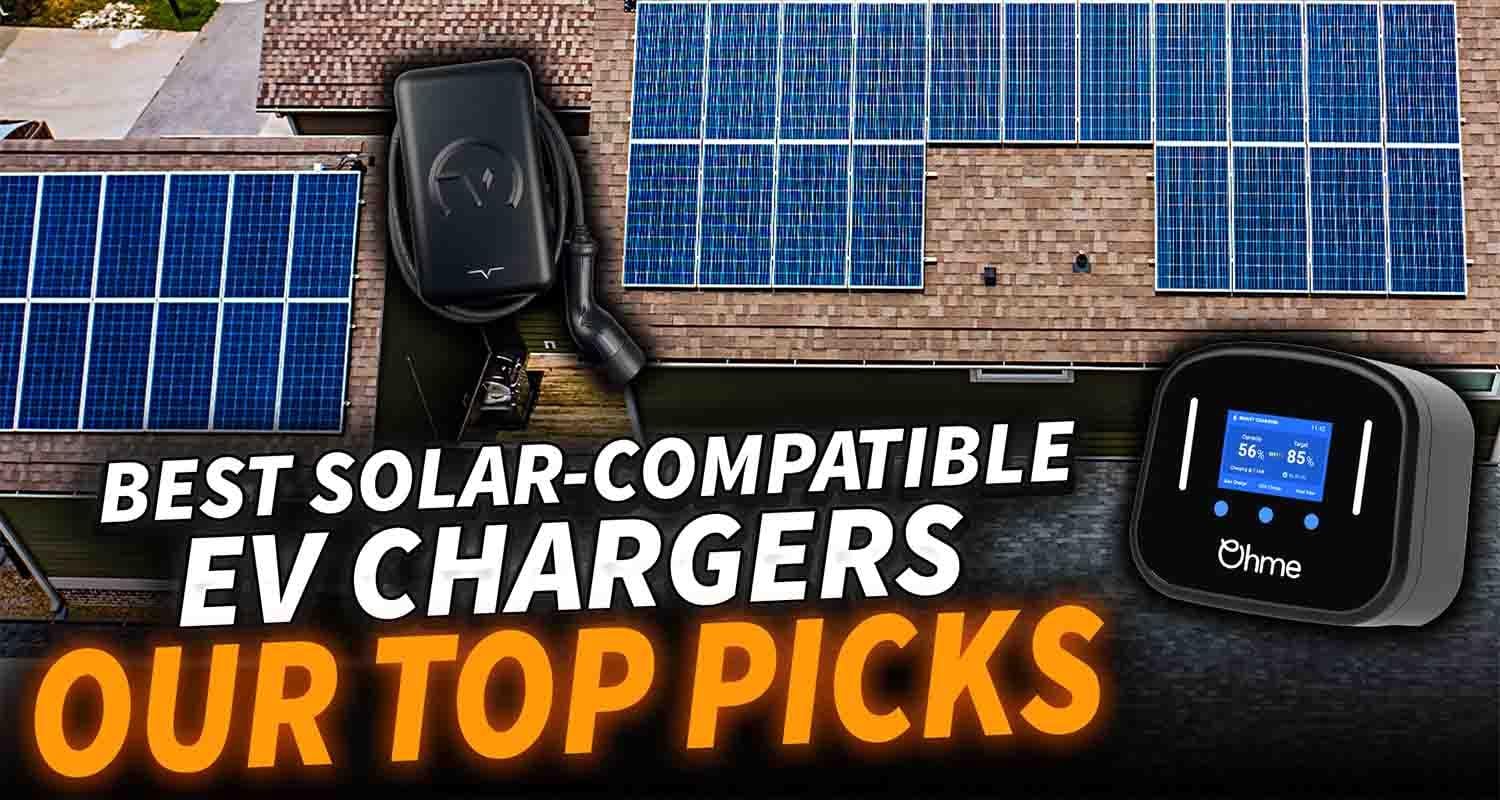
While I wasn't able to test the solar charging capabilities of the Vchrgd seven, I can assure you that it can charge your EV with your PV, as long as you opt to have a CT clamp installed (which we install as standard).
When charging with your solar panels you get two options:
Solar export - which monitors your main supply and only tops up your electric vehicle with surplus solar energy when it exceeds 1.2kW, using grid energy if it's below that threshold.
Solar only - which charges a connected electric vehicle exclusively using energy from your solar panels.
App - Far from the worst (but far from the best)

If you’re after a flashy app filled with animations and detailed infographics, this isn’t it.
Instead, the Vchrgd app focuses on simplicity. Key controls like charge scheduling are front and centre, arguably making it one of the easiest charger apps to use.
It's cost tracking is streightforward too, allowing you to see your charging costs by one or two month periods as well as a custom date range.
(surpisingly) strong energy tariff integration
Despite its understated look, the Vchrgd Seven app offers impressive smart tariff compatibility.
For starters, it compatible with Intelligent Octopus Go, meaning you don’t need a compatible vehicle. That’s something its more expensive rival, the Easee One, can’t offer.
Even more impressive is support for Octopus Agile, a tariff that updates every half hour based on wholesale energy prices. The charger allows you to set a price cap, pausing charging when rates exceed your limit.
Until now, this level of integration was mostly limited to chargers like the Ohme Home Pro and Ohme ePod, so it’s great to see a more affordable alternative offering it, even if it's niche tariff.
Odd remnants
Those of you who used the Sync EV app from days gone by might experience a little déjà vu here.
The two apps look very similar and, while we can’t confirm it outright, we’re fairly certain they share the same underlying build, suggesting that the vchrgd seven app is a white-label app.
That’s not necessarily a bad thing, but it does lead to a few quirks that can feel a bit confusing.
For example, there’s an “Autocharge” setting, which is typically used for public charging, allowing you to store payment details on your cars account letting you plug in without tapping a card.
There’s also a built-in map for finding public ev chargers, but in our testing it only displayed your own ev charger, making it largely redundant.
Don't like the Vchrgd app? Just go third party
Many ev chargers, including the Easee One and Hypervolt Home 3 Pro, offer some level of third-party app support.
However, the Vchrgd Seven stands out by working with platforms like Powerverse, Tap Electric and Monta.
This flexibility also makes it a strong option for workplace installations.
Conclusion
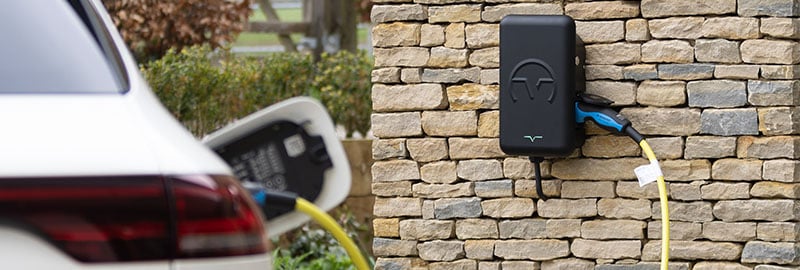
Even though the Vchrgd Seven is the cheapest ev charger in our range, it shouldn’t be overlooked.
It’s one of the most affordable ways to access Intelligent Octopus Go without a compatible vehicle, the app is simple and effective for most users, and the option of both tethered and untethered configurations adds flexibility.
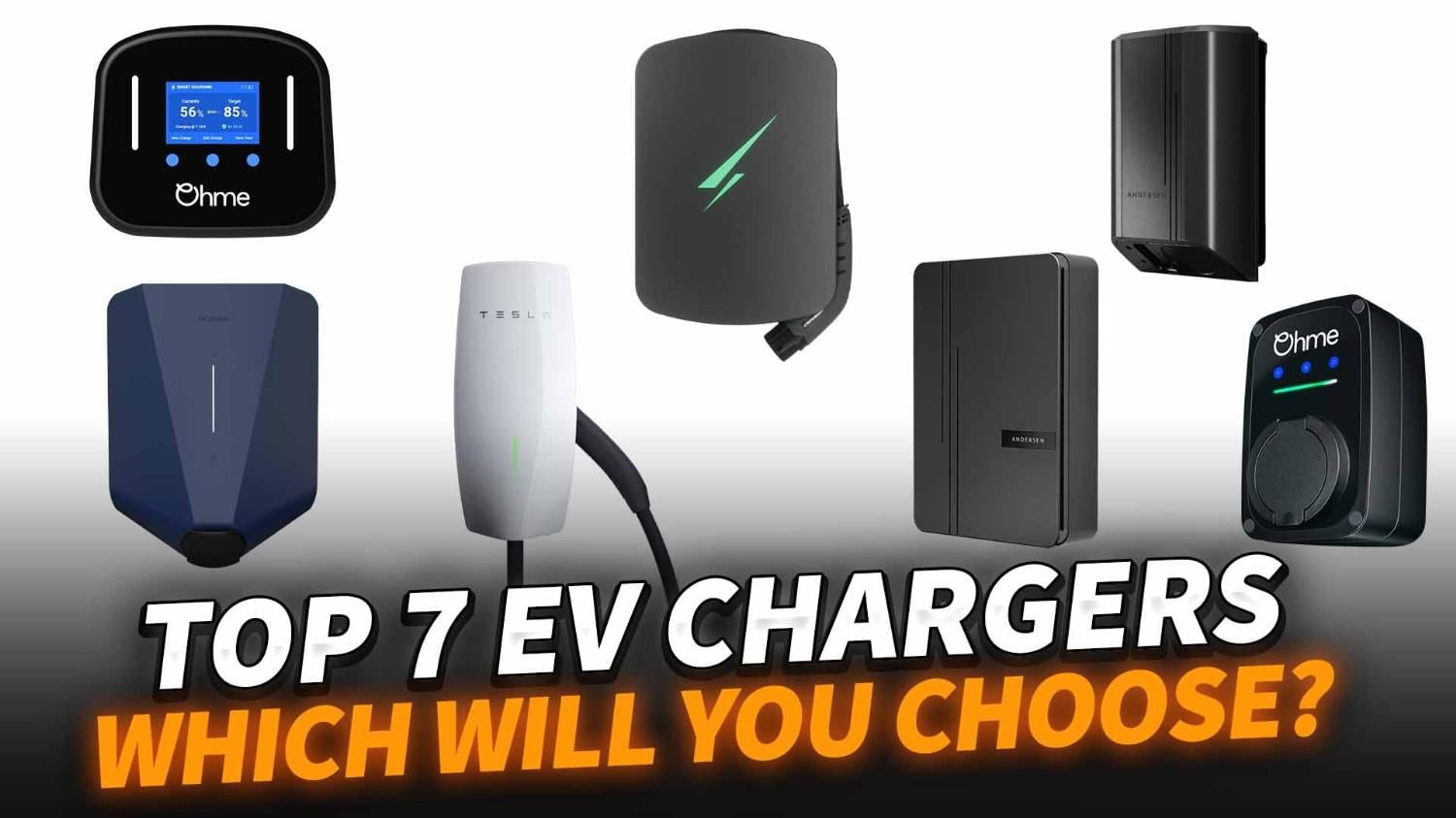
If you’re after something with more kerb appeal, or a slimmer unit better suited to tight spaces, alternatives like the Ohme ePod, Easee One, Andersen Quartz or Hypervolt Home 3 Pro are worth considering. Just be prepared to spend a couple of hundred pounds more.

Browse our range of EV chargers
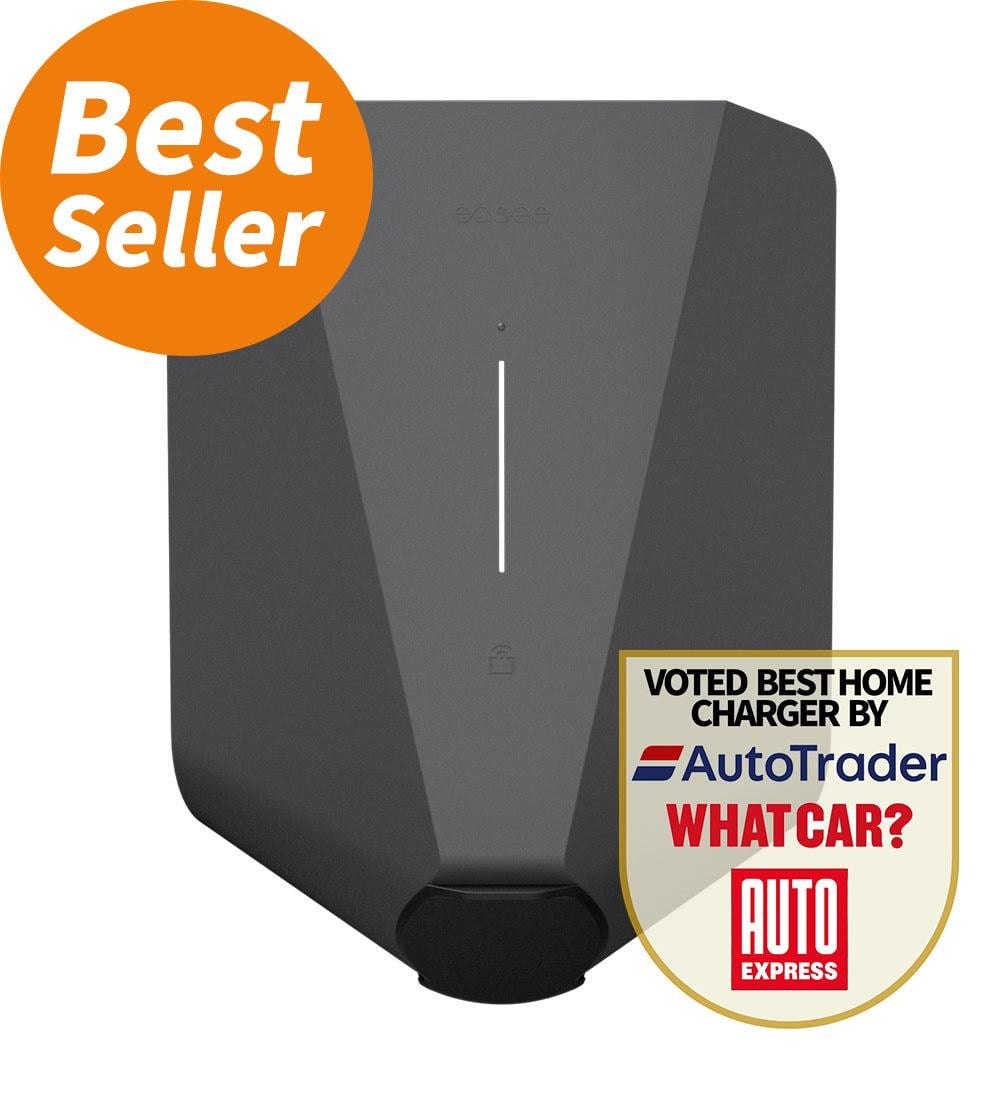
With installation
Charger only
Pay in full from
£918.00
£489.00
Pay monthly
£14.41
£163.00
 Tethered and untethered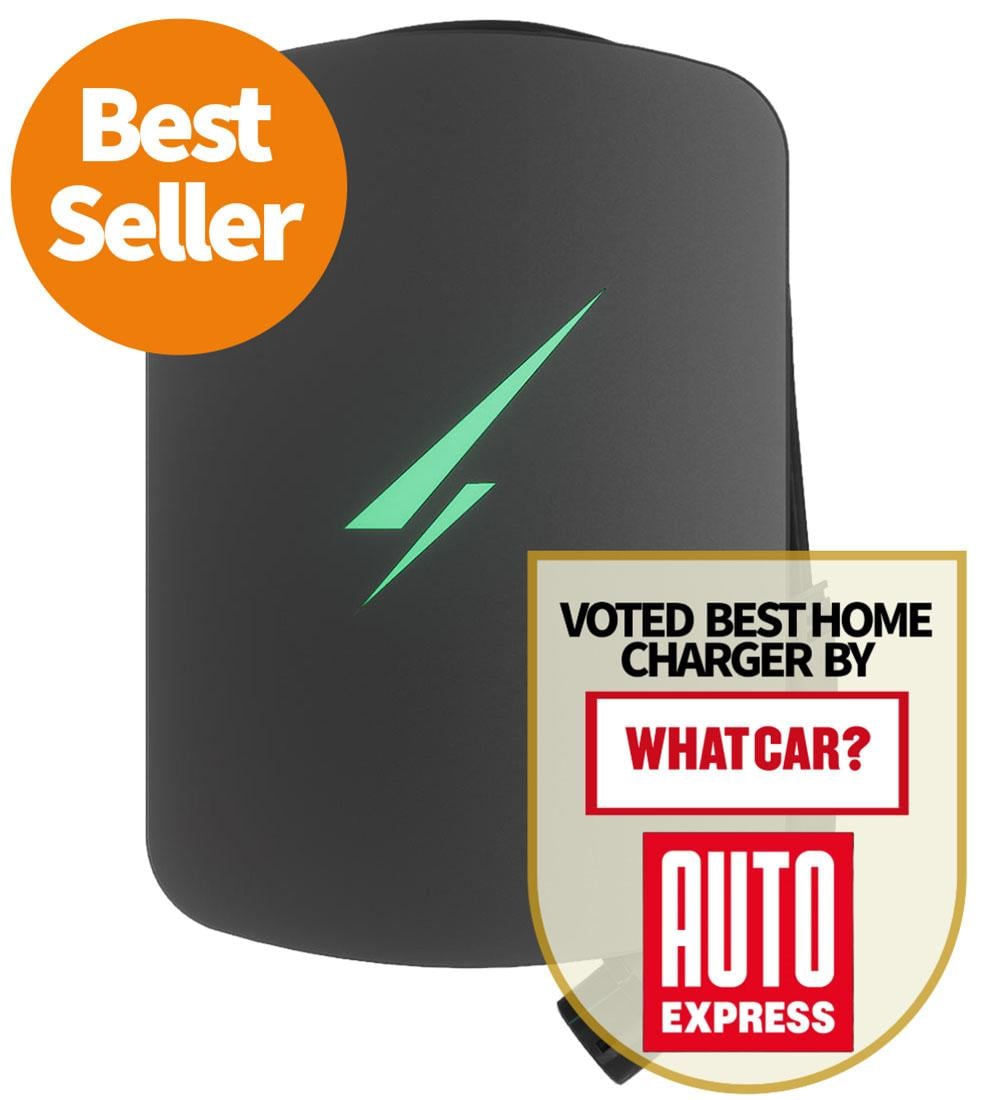
With installation
Charger only
Pay in full from
£1074
£642.00
Pay monthly
£14.68
£214.00
 Compatible with Intelligent Octopus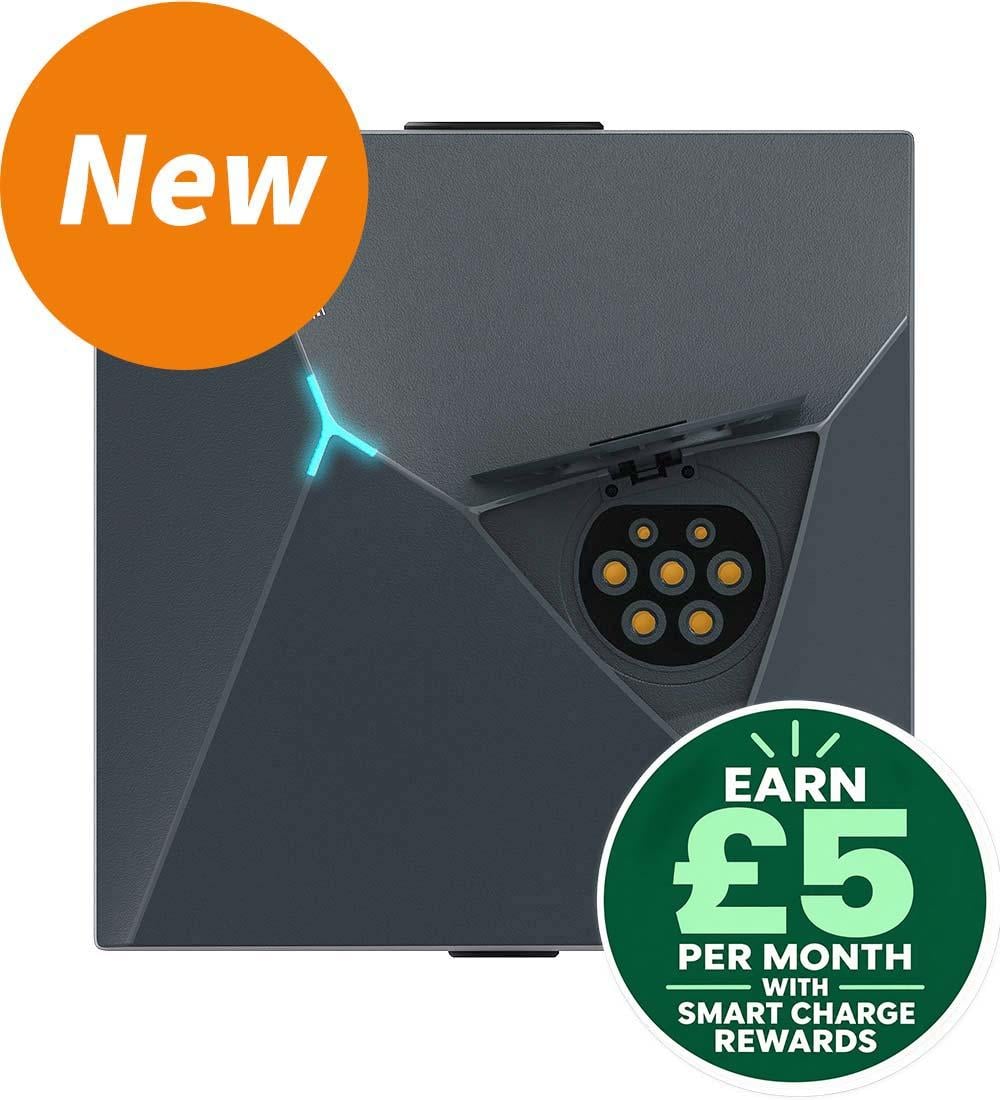
With installation
Charger only
Pay in full from
£846.90
£492.00
Pay monthly
£11.56
£164.00
Intelligent Octopus Compatible
With installation
Charger only
Pay in full from
£932.40
£500.40
Pay monthly
£12.73
£166.80
Compatible with Intelligent Octopus
With installation
Charger only
Pay in full from
£982.50
£538.80
Pay monthly
£13.42
£179.60
Compatible with Intelligent Octopus
With installation
Charger only
Pay in full from
£774.90
£384.00
Pay monthly
£10.57
£128.00
Compatible with Intelligent Octopus
With installation
Charger only
Pay in full from
£1119
£710.76
Pay monthly
£14.87
£197.43
Compatible with Intelligent Octopus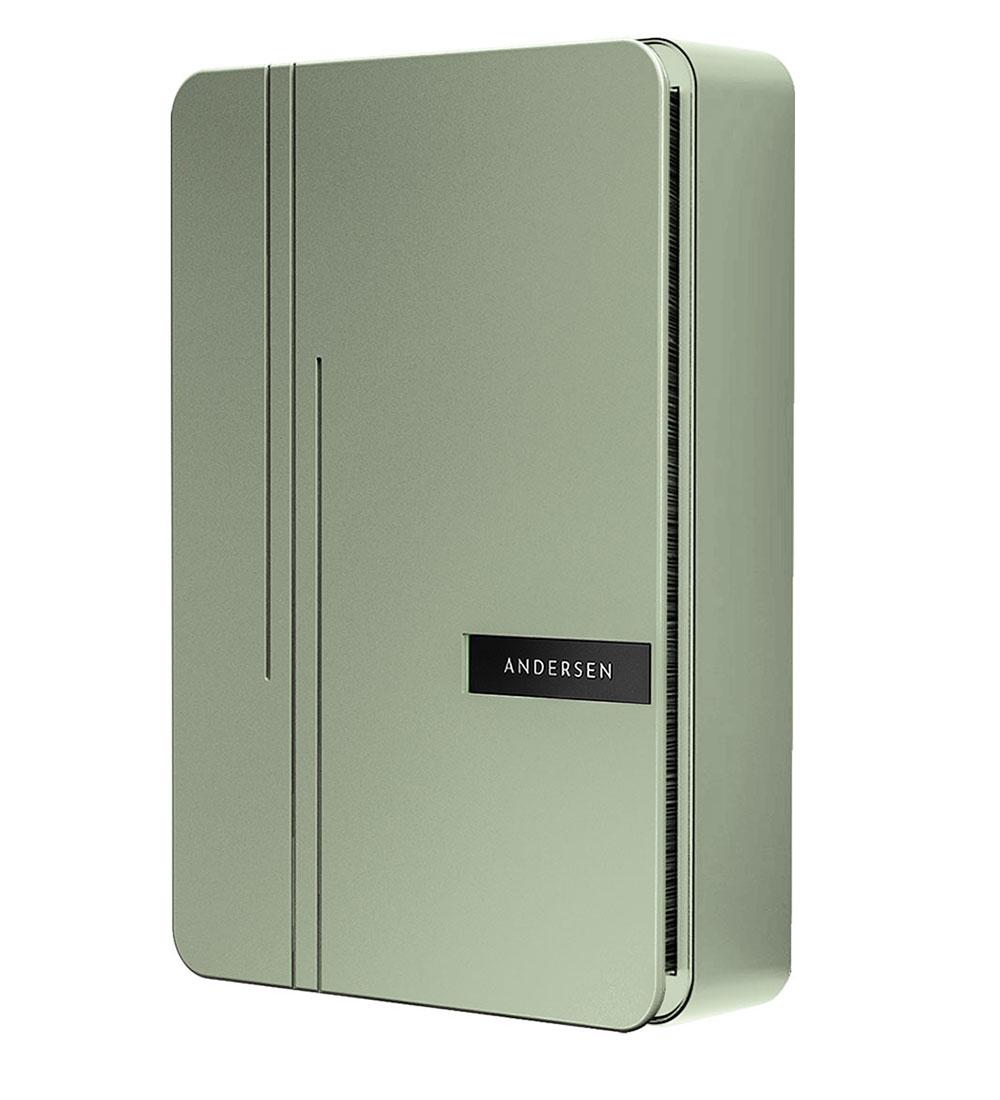
With installation
Charger only
Pay in full from
£1404
N/A
Pay monthly
£19.18
N/A
Compatible with Intelligent Octopus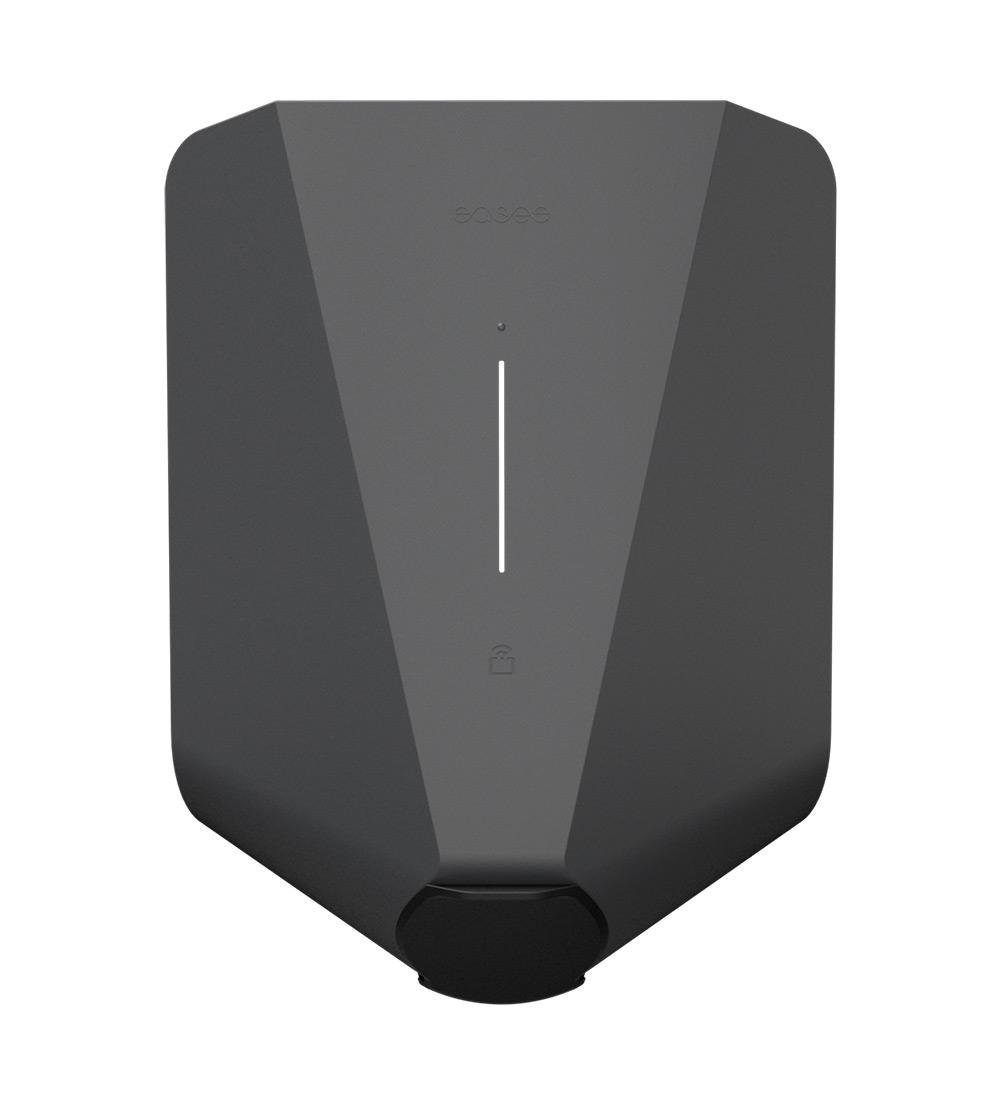
With installation
Charger only
Pay in full from
£1300
£679.00
Pay monthly
£17.75
£226.33
Tethered and untethered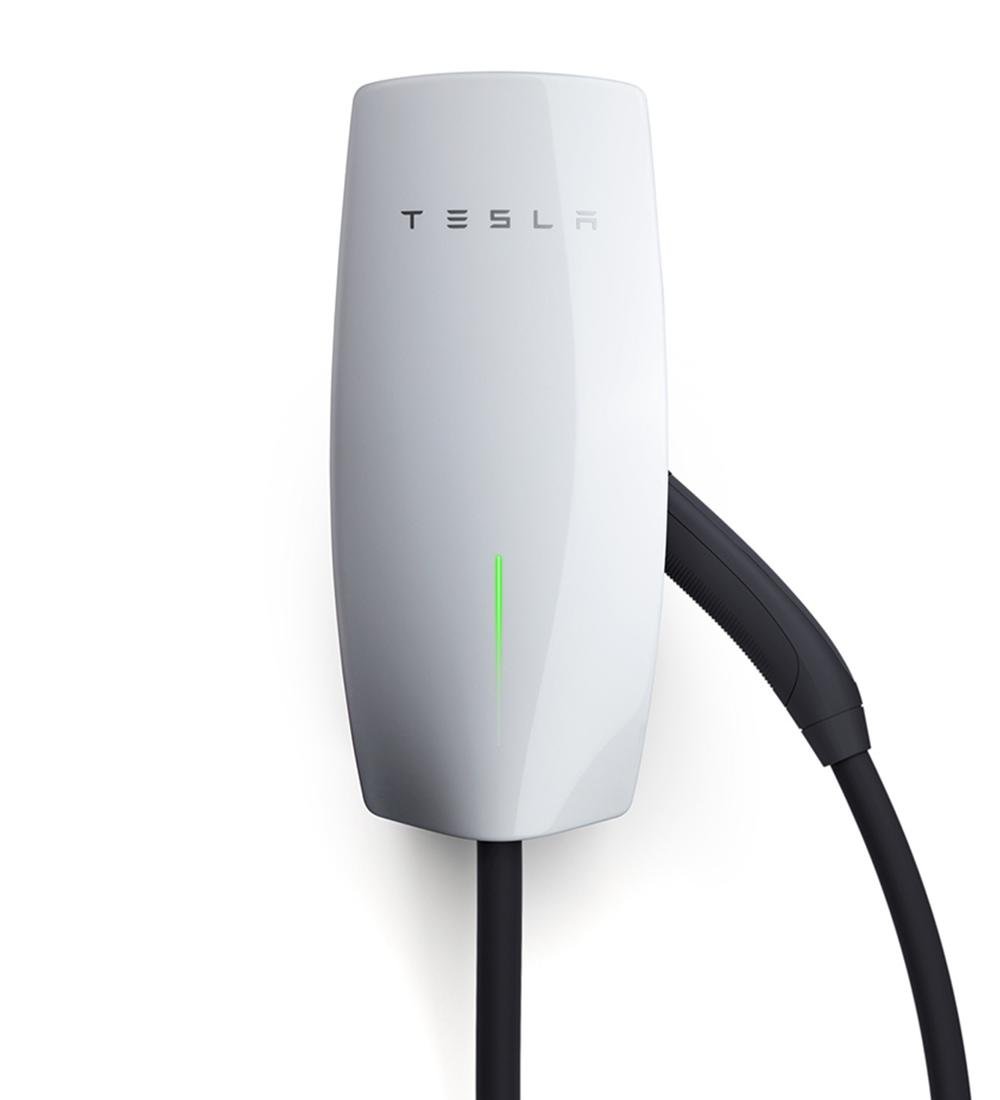
With installation
Charger only
Pay in full from
£999.43
£474.00
Pay monthly
£13.65
£158.00
 Tesla and non-tesla vehicle compatible