Andersen Quartz review:
Is this premium untethered EV charger worth it?
Product overview
Design 5/5
Build Quality 5/5
Reliability 4/5
App Features 4/5
User Experience 4/5
Customer Service 4/5

Last updated: Nov 2, 2026
Pros | Cons |
- Excellent build quality: The Quartz's predominantly metal construction feels reassuringly solid, with a premium finish that sets it apart from many of its competitors. | - No cable-locking mechanism: Unlike several cheaper competitors, the socketed Quartz doesn't allow you to lock your charging cable in place, even temporarily. |
- Stylish, compact design: Its minimalist appearance, compact dimensions and range of colours and finishes make it an attractive addition to almost any home. | - Outdated electricity tariff database: The Andersen app's tariff selection list contained discontinued providers and inaccurate rates during our testing, meaning we had to enter our electricity prices manually. |
- Easy-to-use app: The Andersen app is well laid out and intuitive, with one of the most straightforward charging scheduling systems we've tested. | - Overly bright courtesy light: Even on its lowest setting, the charger's status light was quite bright, with no option to turn it off completely. |
- Smart charging features: Solar charging capabilities and support for intelligent EV tariffs such as Intelligent Octopus Go and OVO Charge Anytime make the Quartz a versatile choice. | |
- Above average warranty: Comes with seven-year warranty as standard. |
If you've been waiting for an untethered charger from Andersen, the Quartz is the answer. And in typical Andersen fashion, it's exceptionally well built and makes the everyday charging experience feel that little bit more premium.
But with stiff competition from charge point makers who offer cheaper home chargers with similar features, is the Andersen Quartz worth the extra money? We've been putting it through its paces to find out.
Quick Verdict
Our rating: ★★★★☆
If you care a lot about styling and build quality, the Andersen Quartz is a solid choice that's helped by its smart tariff integration, solar support and well-designed app.
However, its £1000+ price tag with installation means it won't be the number one choice for everyone, especially when chargers like the Easee One and NexBlue Point 2 offer similar features for a lower price.
Andersen Quartz at a glance
Charging Speed | Cable length |
Solar Charging | Warranty |
Tariff support | Connectivity |
The Andersen Quartz is a premium, untethered home EV charger designed for homeowners who want something stylish without compromising on smart charging features.
Like its sibling, the Andersen A3, the Quartz offers solar charging capabilities, smart scheduling and compatibility with selected intelligent EV energy tariffs. However, its untethered design gives it a more discreet appearance, making it particularly appealing if you'd rather not have a charging cable permanently attached to the front of your home.
Here's a quick look at what the Andersen Quartz offers.
Design and build quality

If there’s one thing Andersen does well, it’s building quality chargers and the Andersen Quartz is no exception
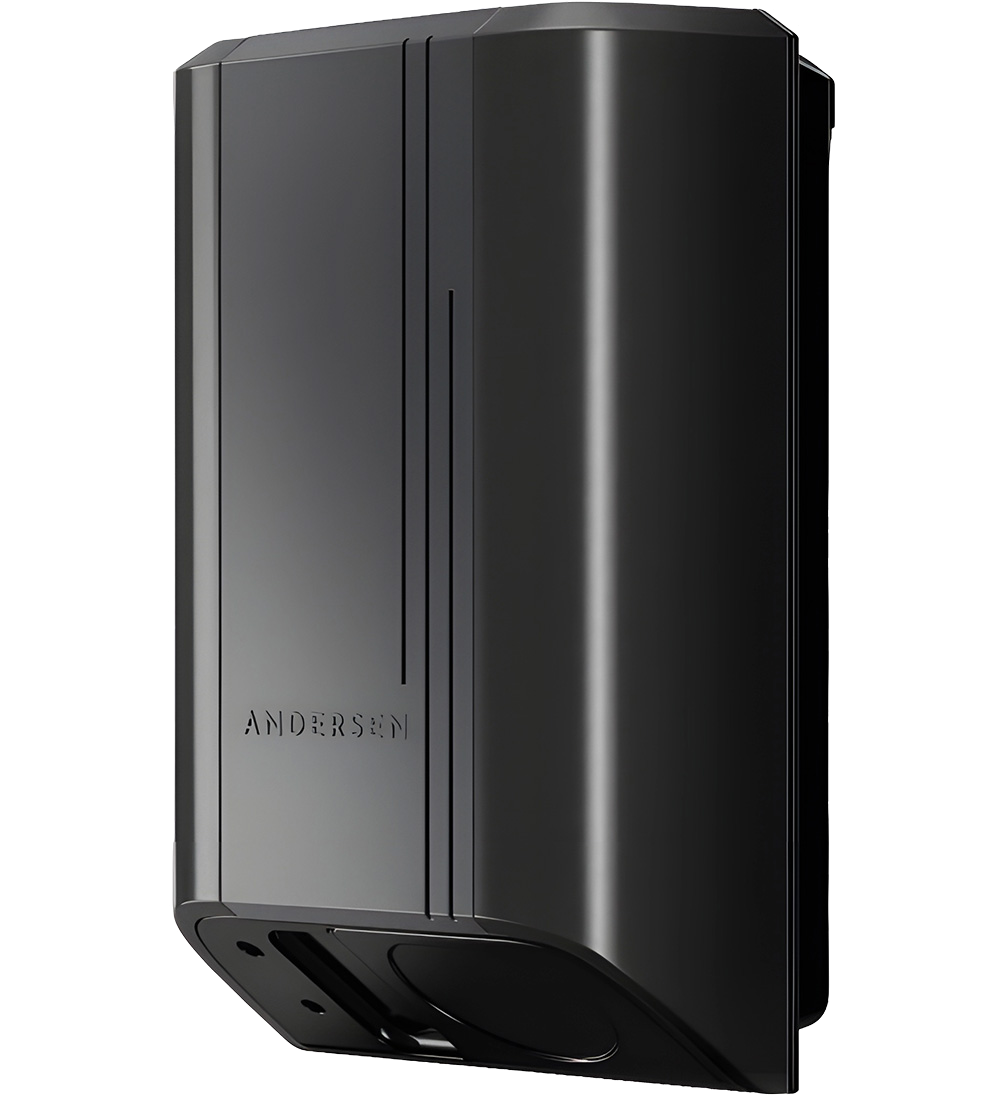
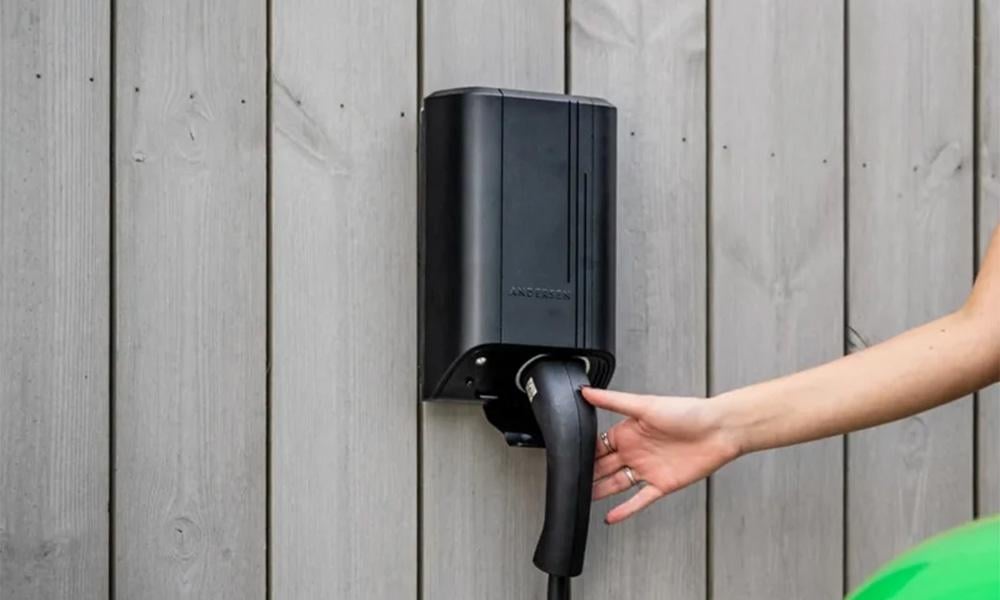
Almost every part of this compact charge point is made from metal while the few plastic components such as the cover protecting the charging socket, feel sturdy rather than cheap or brittle.
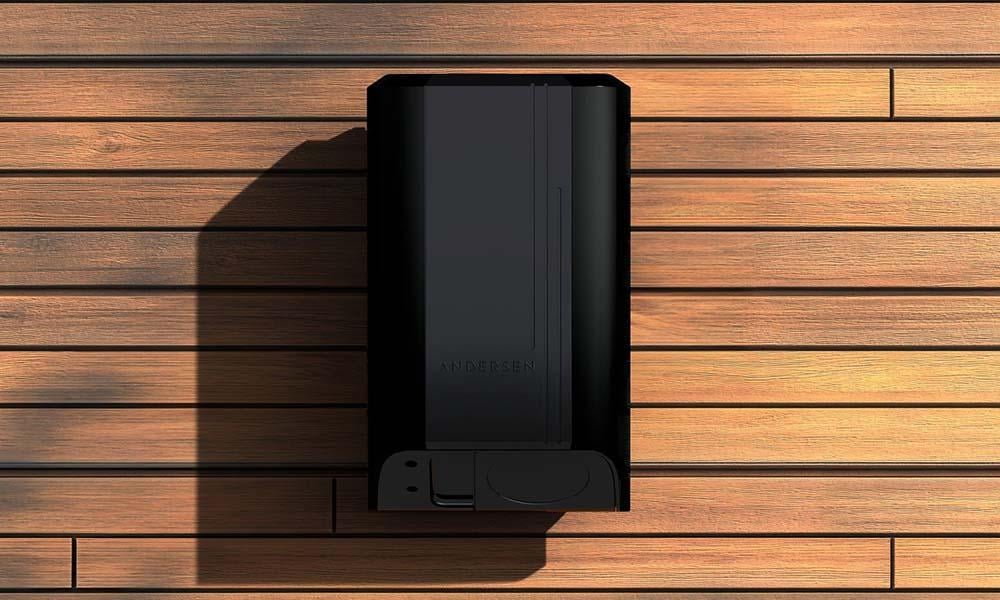
Design-wise the Andersen Quartz follows in the footsteps of its more expensive sibling, the Andersen A3, adopting the same minimalist styling with a range of colours and finishes to choose from.
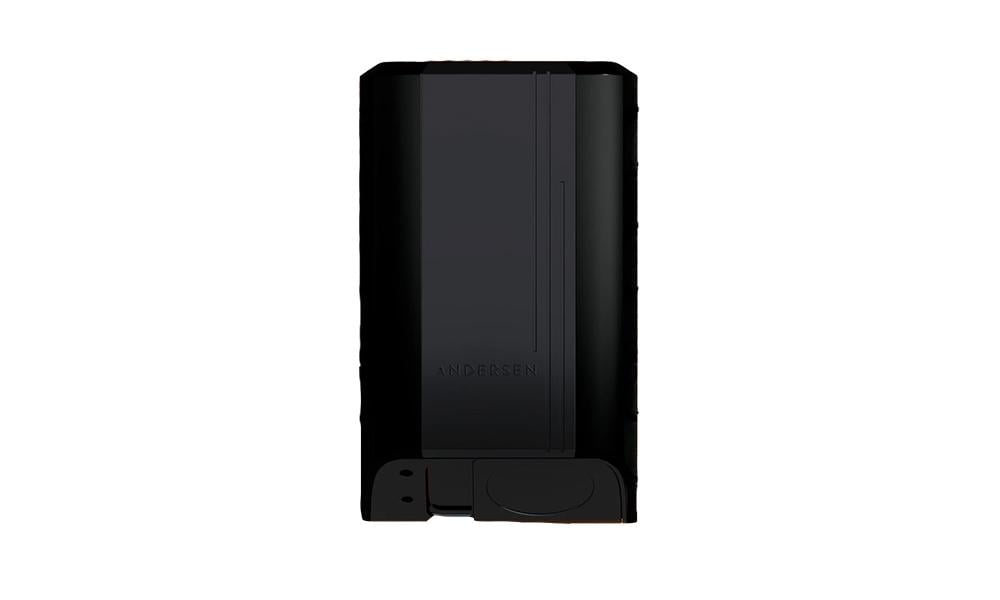
Measuring 172mm (H) x 286mm (W) x 110mm (D), the Quartz is relatively compact and doesn't take up too much wall space. Combined with its understated styling, this makes it an appealing option for anyone who wants their home EV charger to complement their property.
The cover protecting the charging socket is easy to open and close, with a reassuringly solid feel. One small touch I'd have liked to see, however, is a soft-close mechanism similar to the one found on the NexBlue Point 2. It's by no means essential, but it would have been a welcome finishing touch on an otherwise premium-feeling charger.
Taking a closer look, Andersen's attention to detail continues. Next to the charging socket sits a handy courtesy light that doubles as a status indicator, making it easy to see what your charger is doing without having to open the app.
During my testing however I found the light to be quite bright, even on its lowest setting. There's no option to turn it off completely either which could be frustrating if you're of the opinion that the light spoils the understated asthetics of the charger.
Admittedly, this is a minor criticism but it would be nice to see Andersen introduce the proximity-activated lighting in a future version of the Quartz.
Installation and everyday practicality
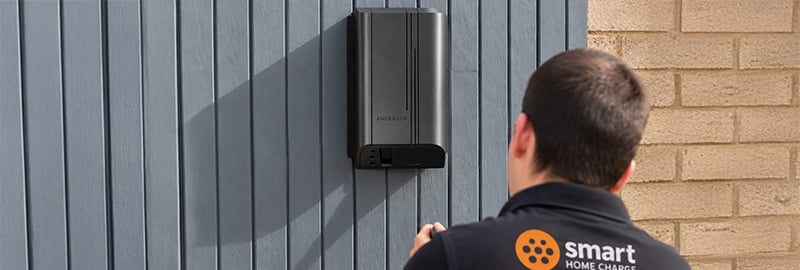
Being an untethered charger, using the Andersen Quartz is quite different from using its more expensive sibling, the Andersen A3.
For starters, you'll need to provide your own charging cable and find somewhere to store it when it's not in use. Obviously, that means there's no cable-cleaning feature like the one found on the A3 either.
However, this trade-off does come with some benefits. The Quartz can accommodate both Type 1 and Type 2 vehicles with the appropriate charging cable, meaning owners of older EVs aren't excluded. You also have the freedom to choose a charging cable that suits your needs, rather than being restricted to the fixed cable length of a tethered charger.
Although the Andersen A3 does an excellent job of hiding its tethered cable thanks to its built-in storage, the Quartz is arguably the better choice for anyone who wants their charger to be completely cable-free when not in use.
One thing that surprised me about the Quartz, however, was the absence of a user-selectable cable-locking feature, which would allow you to leave your charging cable permanently attached and effectively switch between tethered and untethered charging.
It's a feature found on several of the Quartz's competitors, including the Easee One and NexBlue Point 2, both of which are cheaper. Even the similarly styled Simpson & Partners Home 7 offers this functionality, so it's a shame Andersen hasn't included it here.
It's not necessarily a deal-breaker, especially if you're buying the Quartz specifically for its untethered appearance, but having the option would have made an already versatile charger even more practical.
What about installation?

As with most home EV chargers, the Andersen Quartz will need to be professionally installed, with the exact requirements depending on your property's electrical setup.
Fortunately, the Quartz features built-in PEN fault detection, which can eliminate the need for a separate earth-rod in suitable installations, potentially saving on additional installation work.
There's also rear power cable entry, allowing the electrical supply cable to enter the charger through the wall rather than being visible on the outside. This creates a clean, almost floating appearance that complements the Quartz's minimalist design.
One thing worth considering before installation is where you'd like the charger positioned. Its compact dimensions make it a relatively discreet option, but you'll still want to make sure the charging socket is easy to reach and that your cable can comfortably reach your vehicle's charging port.
If you're unsure where to position your charger, we've put together a dedicated guide to help you decide.
Andersen app and smart charging features

Good looks and premium build quality are all well and good, but a modern home EV charger also needs to be smart, and the Andersen Quartz has plenty to offer in this department.
The Quartz is managed through the Andersen app, which gives you access to the charger's settings, charging schedules and energy usage information without having to interact with the unit itself.
During my time with the demonstration unit, I found the app a pleasure to use, with easy-to-navigate menus and handy infographics that make the information easy to understand. I didn't experience any app crashes or communication issues either.
For us, one of the most important things about any EV charging app is how easy it makes everyday tasks, such as setting a schedule or checking how much electricity you've used, and Andersen does a great job of making these features accessible.
Scheduling and electricity tariffs
One of the main reasons to buy a smart home EV charger is the ability to take advantage of cheaper electricity rates, and the Quartz offers scheduling features to help with this.
Through the Andersen app, you can create multiple charging schedules based on the time of day and day of the week. There's plenty of flexibility here, so you could even have a different charging schedule for every day of the week if you wanted to.
Better still, setting up these schedules was one of the most straightforward experiences I've had when testing a home EV charger. Everything was easy to find and configure, without having to navigate through complicated menus.
The Quartz also supports selected intelligent EV energy tariffs, including Intelligent Octopus Go and OVO Charge Anytime, allowing energy providers to remotely control your charger's charging sessions in exchange for cheaper energy rates.
Charging history and cost tracking
To help you keep track of your charging costs, the Andersen app features a charging history tab that records useful information, including how much energy you've added to your car, where that electricity came from and how much it cost.
You can also view your charging data over selected date ranges and export it via email or as a PDF. This could be particularly handy if you need to reclaim business expenses or simply want to keep an eye on your charging costs.
When entering my electricity tariff details for cost tracking, I noticed that the app offered a handy dropdown menu where you could select your energy provider and tariff rather than entering the information manually.
Unfortunately, the list appeared to be seriously out of date. Providers such as Bulb, which ceased trading years ago, were still listed, alongside tariff rates that were no longer accurate.
In the end, I had to enter my electricity rates manually to ensure the app could calculate my charging costs correctly.
It's not a major issue, as you can still enter your rates yourself, but it's disappointing to see such an outdated tariff list on a premium home EV charger. Hopefully, Andersen will address this in a future app update.
Solar charging
If you have solar panels, or you're planning to install them, the Quartz's solar charging capabilities could be another reason to consider it.
Like the Andersen A3, the Quartz offers Advanced Solar functionality, designed to help you make better use of the excess electricity generated by your solar panels rather than exporting it all to the grid.
I wasn't able to test this feature myself, as I was using a demonstration unit without a solar installation. However, once configured, the Quartz allows you to choose between charging using solar power only, grid electricity only or a combination of the two.
You can even set schedules that allow your car to charge using available solar energy outside your usual charging periods, provided your vehicle is connected.
Tap Electric integration
Andersen opens their charge points to Tap Electric integration, allowing you to effectively rent out your charge point to anyone you share a QR code with. We can see this being handy for Airbnb or business owners.
Again I was unable to test this function myself due to the requirement of needing to register your charger with a Tap Electric account manager first but Andersen has told us that multiple chargers can be viewed on the Tap electric app with users being to see charging data as well as setting costs per kWh for usage.
To summarise my app expierence
Overall, I came away impressed with the Andersen app. It's well laid out, easy to navigate and makes everyday tasks like setting charging schedules refreshingly straightforward. The outdated tariff database is disappointing, particularly for a premium charger, but it doesn't take away from what is otherwise a very polished software experience.
Charging performance and reliability
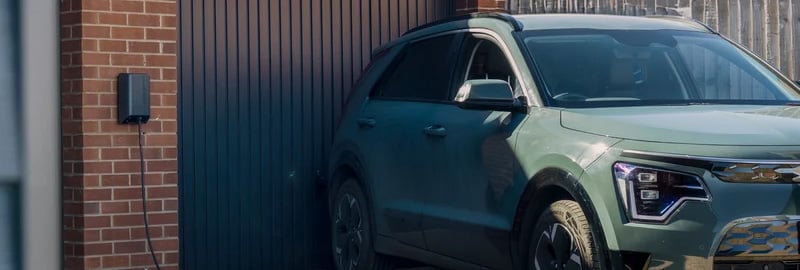
The Andersen Quartz offers a maximum charging speed of 7.4kW, which is pretty standard for a single-phase home EV charger in the UK.
At this speed, the Quartz can add roughly 25–30 miles of range to your electric car for every hour it's plugged in, depending on your vehicle's efficiency. That's more than enough for most drivers to comfortably replenish their battery overnight, especially when taking advantage of cheaper off-peak electricity rates.
Of course, the actual charging speed you experience will depend on several factors, including your vehicle's onboard charger, battery temperature and your property's electrical supply.
Dynamic load balancing
Like many modern home EV chargers, the Andersen Quartz supports dynamic load balancing, which helps prevent your home's electrical supply from becoming overloaded when you're charging your car alongside other appliances.
For example, if you're charging your car while using the oven, washing machine and other high-powered appliances, the Quartz can automatically reduce the amount of electricity going to your vehicle to keep your home's electrical demand within the configured limit.
Once your household's electricity demand drops, the charger can increase the power going to your vehicle again.
It's a useful feature, particularly for homes with a limited electrical supply, although it's worth remembering that the Quartz isn't unique in offering it.
What about reliability?
During my time with the demonstration unit, I didn't experience any communication issues with the Andersen app, and the charger responded as expected when navigating its settings.
However, as I wasn't testing the Quartz as part of a permanent home installation, I can't comment on how reliably it performs over weeks or months of daily charging.
What I can say is that the build quality feels reassuringly solid, and the app experience was consistently smooth throughout my testing. Customers who have opted for this charger have not regretted their purchase either, scoring an overall 4.9 out of five.
Ultimately, the Quartz offers the charging performance you'd expect from a modern 7.4kW home EV charger, with smart features designed to make charging more convenient and help manage your household's electrical demand.
How does the Andersen Quartz stack up against other chargers?
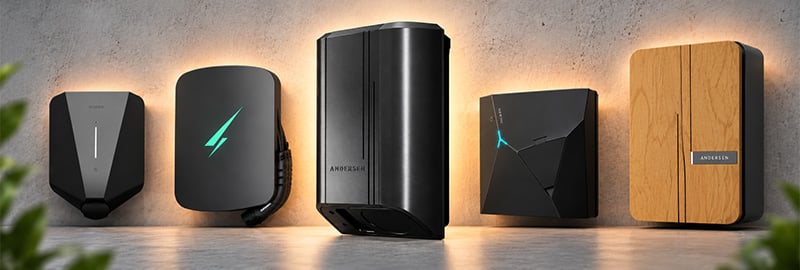
The Andersen Quartz has plenty going for it, but it's not the only stylish home charger with smart charging features. Alternatives such as the Easee One, NexBlue Point 2 and Andersen A3 all offer something a little different, so which should you choose?
Both the Easee One and NexBlue Point 2 are more affordable alternatives to the Quartz, offering similar smart charging features alongside built-in 4G connectivity. They also have something the Quartz lacks: a cable-locking mechanism that lets you leave your charging cable attached, effectively turning either charger into a tethered model.
The NexBlue Point 2 also offers Smart Charge Rewards, which allows eligible users to earn rewards for letting NexBlue manage their charging sessions. Meanwhile, the Easee One is a particularly compact alternative, although it doesn't offer the same direct integration with intelligent EV tariffs as the Quartz.
If you like premium styling of an Andersen EV charger but would prefer a tethered charger, the Andersen A3 is worth considering. It shares many of the Quartz's smart features and build qualities but has a permanently attached charging cable that can be neatly hidden inside the unit when not in use. It's a more convenient option for everyday charging, although it comes at a higher price.
So, where does the Quartz stand out? Its biggest advantages are its predominantly metal construction, extensive choice of colours and finishes, and straightforward app experience. Direct integration with intelligent EV tariffs such as Intelligent Octopus Go and OVO Charge Anytime also gives it an advantage over the Easee One.
Ultimately, the Easee One and NexBlue Point 2 are compelling choices if value for money and flexibility are your priorities, while the Andersen A3 is better suited to those who want the convenience of a permanently attached cable. However, if you're looking for a premium untethered charger that combines excellent build quality with stylish design and useful smart features, the Quartz makes a strong case for itself.
Andersen Quartz price and value for money
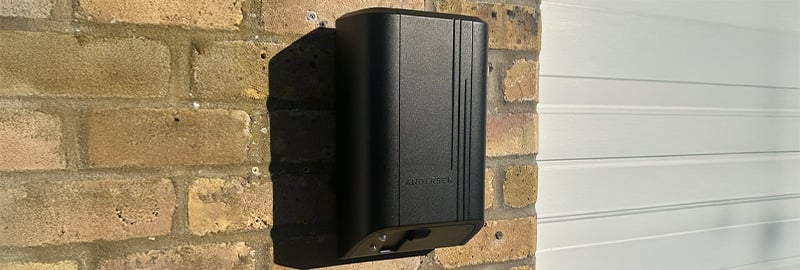
There's no getting around the fact that the Andersen Quartz is an expensive home EV charger, especially when you consider that there are plenty of cheaper alternatives offering similar smart charging features.
At Smart Home Charge, the Andersen Quartz currently starts from £1,089.06 with standard installation, or £592.30 for the charger alone.
That puts it firmly in premium territory, particularly when compared with alternatives like the Easee One and NexBlue Point 2.
So, what exactly are you getting for the extra money?
Well, the biggest difference is undoubtedly the build quality. The Quartz's predominantly metal construction feels a step above many of its plastic-bodied competitors, while the extensive range of colours and finishes gives you plenty of freedom to match the charger to your home.
You're also getting a well-designed app, solar charging capabilities and direct integration with intelligent EV tariffs such as Intelligent Octopus Go and OVO Charge Anytime.
There's also a seven-year warranty, which provides some additional peace of mind when investing in a premium product.
However, the Quartz isn't without its compromises. The lack of a cable-locking mechanism on the socketed model is disappointing at this price, particularly when cheaper alternatives offer this functionality.
So, is the Andersen Quartz worth the money?
If you're simply looking for an affordable home EV charger with plenty of smart features, there are better-value options available.
However, if build quality, appearance and customisation are high on your priority list, the Andersen Quartz makes a compelling case for itself. It's also a more affordable way to get Andersen's premium design and smart charging experience compared with the more expensive Andersen A3.
Ultimately, you're paying a premium for the Quartz's design and construction rather than a dramatic improvement in charging performance. Whether that's worth the extra money will come down to what matters most to you.
Our verdict: Should you buy the Andersen Quartz?
The Andersen Quartz is a fantastic example of what happens when a manufacturer puts just as much thought into how a home EV charger looks and feels as it does into the technology inside it.
Throughout our time with the Quartz, we were consistently impressed by its excellent build quality, minimalist design and intuitive app. In particular, its straightforward charging schedules were among the easiest we've tested, while support for solar charging and intelligent EV tariffs adds to its appeal.
However, for a charger positioned at the premium end of the market, there are a few things we'd have liked to see Andersen do differently.
The absence of a cable-locking mechanism is perhaps the biggest disappointment, especially when cheaper alternatives like the Easee One and NexBlue Point 2 offer this feature. The outdated tariff database and overly bright courtesy light are smaller frustrations, but they're still worth considering.
That said, none of these issues fundamentally changes what the Quartz does best.
If you're looking for the cheapest home EV charger with the most features, the Andersen Quartz probably isn't for you. There are more affordable alternatives that offer similar functionality and, in some cases, greater flexibility.
However, if you're after a premium, beautifully designed charger that looks just as good on the outside as it feels to use, the Quartz is an excellent choice. It's particularly appealing if you want a discreet, untethered charger without paying extra for the Andersen A3's hidden cable system.
Our verdict: The Andersen Quartz isn't the best-value home EV charger on the market, but its excellent build quality, stylish design and polished app experience make it one of the most appealing premium untethered chargers we've tested.