How much does it cost to charge an electric car

Last updated: Sep 18, 2026
Charging an electric car can cost anything from a few pounds at home to considerably more at a public rapid charger.
The amount you pay depends on where you plug in, the price of electricity, the size of your car’s battery and how efficiently it uses energy.
The good news is that drivers who can charge at home, especially on an off-peak EV tariff, can keep their everyday running costs very low.
This guide explains how EV charging costs are calculated, compares home and public charging and shows you how to spend less each time you plug in.
For a more in-depth look into the costs of home EV charging, be sure to check out our dedicated guide. We also have a dedicated guide to public EV charging where we cover everything that you need to know.
Electric car charging costs at a glance | |||
|---|---|---|---|
Charging method | Illustrative electricity price | Cost to add 60kWh | Approximate cost per mile |
8p/kWh | £4.80 | 2p | |
Home charging on a standard tariff | 26.32p/kWh | £15.79 | 6.6p |
Public standard or destination charging | 54p/kWh | £32.40 | 13.5p |
These examples assume an EV capable of travelling around four miles per kWh.
The home standard tariff figure uses Ofgem’s average electricity unit rate for 1 October to 31 December 2026. Public figures use Zapmap’s weighted average pay-as-you-go prices for August 2026.
Your actual price will vary, and charging losses can increase the energy drawn from the grid.
How is the cost of charging an electric car calculated?

EV batteries are measured in kilowatt hours, written as kWh.
Electricity is also sold by the kWh, so you can estimate the price of a charge with a simple calculation:
Energy added in kWh × electricity price per kWh = charging cost
For example, adding 60kWh at 8p per kWh would cost:
60 × £0.08 = £4.80
This calculation is more useful than simply multiplying the total battery capacity of the electric car. Most drivers top up rather than arriving with an empty battery and charging to 100%.
What affects the price of an electric vehicle charge
Compare popular EV tariffs with our Cost to Charge tool: https://www.smarthomecharge.co.uk/cost-to-charge/
Where you charge

Home charging is usually the cheapest option because domestic electricity costs less than most public charging.
Public rapid chargers cost more to use because the operator must pay for powerful equipment, grid connections, maintenance and the charging site itself.
The electricity rate

Charging prices are normally shown in pence per kWh. At home, this is the unit rate on your electricity tariff.
In public, it is the price displayed by the charge point operator.
Some public networks also offer lower rates through memberships, subscriptions or off-peak pricing.
How much energy you add

A larger top-up costs more.
Adding 20kWh costs half as much as adding 40kWh at the same rate, regardless of the maximum capacity of the battery.
Charging losses
Not all the energy drawn from the grid reaches the battery. Some is lost through the charging equipment and used to manage the battery’s temperature.
This means the amount shown on your electricity bill or public charger may be slightly higher than the energy added to the battery.
Vehicle efficiency
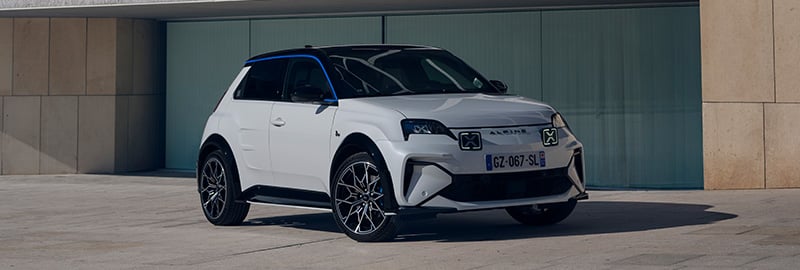
Battery size tells you the cost of a charge, but efficiency tells you how far that money takes you.
A lighter and more efficient electric car will usually cost less per mile than a large electric SUV, even if both pay the same price per kWh.
How much does it cost to charge an electric car at home

We have a detailed dedicated guide for charging costs at home but for now, here is a brief rundown.
For most EV drivers, home is the cheapest and most convenient place to charge.
You plug in when you park and let the car charge while it would otherwise be sitting unused.
The exact cost depends mainly on your home electricity tariff.
Using the average standard variable electricity rate of 26.32p/kWh for 1 October to 31 December 2026, adding 60kWh would cost around £15.79 before allowing for charging losses.
At an off-peak rate of 8p/kWh, the same amount of energy would cost £4.80.
Standard electricity tariffs

If you stay on a standard single-rate tariff, you pay the same unit rate whenever you charge.
Home charging can still be cheaper than regular rapid charging, but it may not be the lowest-cost option available to you.
Electric vehicle tariffs

EV tariffs offer cheaper electricity at certain times or provide a special rate for energy used to charge a compatible car or charger.
The lowest rates are commonly available overnight, when demand on the grid is lower.
A smart home charger can schedule your charge for these cheaper periods.
Just remember to compare the whole tariff, including its peak rate and standing charge, rather than choosing it on the headline EV charging rate alone.
Solar charging
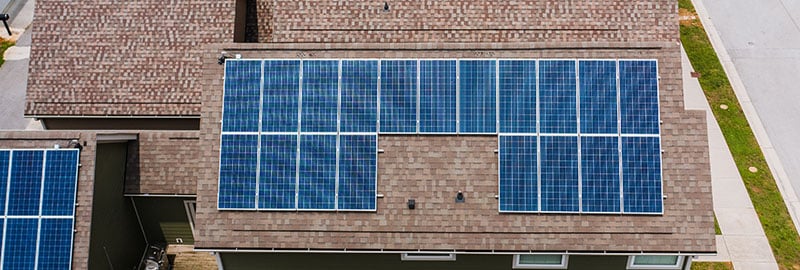
If you have solar panels, a compatible home charger can divert surplus solar electricity into your car instead of exporting it to the grid.
The energy is not completely free because your solar system has an upfront cost and you may give up export payments, but it can reduce the amount of electricity you need to buy from your supplier.
You can find out more about how solar EV charging works in our dedicated article. We also have a range of solar home EV chargers as well as a countdown of our favourites!
Do not forget the cost of installing a home charger

The price of electricity is only one part of home EV charging. You will also need to budget for the charger and its installation.
The final price can depend on the charger you choose, the cable route, your electrical supply and whether any additional work is required.
That upfront cost can be offset over time by the convenience and lower unit prices available at home, particularly if you cover a high annual mileage.
How much does it cost to charge an electric car in public?
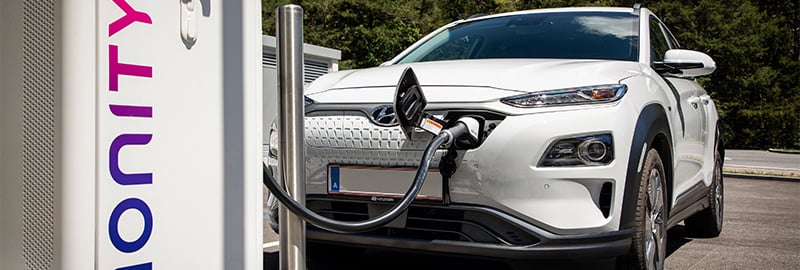
We have a detailed guide explaining public EV charging, however, here's all the essentials you need to know.
Public charging point prices vary much more than home electricity rates. Some workplace, hotel or retail chargers may be free for customers, while high-powered rapid chargers can be among the most expensive ways to charge.
According to Zapmap’s August 2026 Price Index, the weighted average pay-as-you-go price was 54p/kWh for chargers from 3kW to 49kW and 77p/kWh for rapid and ultra-rapid chargers rated at 50kW or above.
At those rates, adding 60kWh would cost about £32.40 on a standard public charger or £46.20 on a rapid or ultra-rapid charger.
These are national averages, not fixed prices, so always check the charger screen or an app service like ZapMap before starting your session.
Destination charging
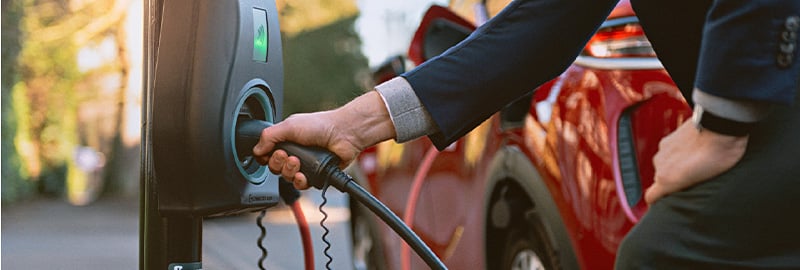
Destination chargers are commonly found at supermarkets, shopping centres, hotels, leisure venues and public car parks.
They are usually slower than rapid chargers and are designed for places where you are likely to park for an hour or more.
Prices vary by site and network. The car park may also charge a separate parking fee, so check both costs before plugging in.
Rapid and ultra-rapid charging
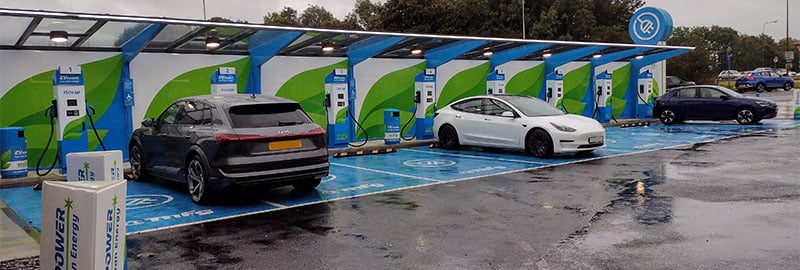
Rapid and ultra-rapid chargers are built for quick top-ups on longer journeys and are usually found at places where people would usually stop for an hour or less, like motorway service stations.
Their higher price pays for convenience and speed, although the amount of power your car accepts will depend on its maximum DC charging rate, battery temperature and state of charge.
A faster charger does not necessarily mean a more expensive session if the rate per kWh is the same.
It simply delivers the energy more quickly. However, some networks set different prices for different charging speeds.
Subscriptions, roaming and extra fees

Some networks provide a lower price per kWh in return for a monthly subscription.
This can make sense if you use the same network frequently, but occasional users may spend less by paying the standard rate.
Roaming services and charging apps can make it easier to access several networks, although their prices may differ from paying the operator directly.
Look out for parking charges, overstay fees and pre-authorisation holds on your payment card too.
Is it cheaper to charge at home or in public
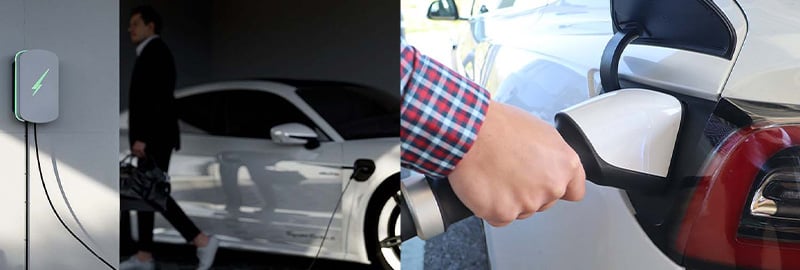
Home charging is normally cheaper, particularly when paired with an off-peak EV tariff.
Based on the illustrative rates used in this guide, adding 60kWh at home for 8p/kWh costs £4.80. The same amount at the August 2026 public rapid charging average of 77p/kWh costs £46.20.
Public charging still plays an important role. It gives drivers without off-street parking somewhere to charge and makes long journeys possible.
Most drivers who have a home charger use public rapid charging as an occasional top-up at a motorway service station rather than their main source of energy.
How much does electric car charging cost per mile
Cost per mile is often the fairest way to compare an EV with another electric car or with a petrol or diesel vehicle. Use this calculation:
Electricity price per kWh ÷ miles per kWh = cost per mile
An EV returning four miles per kWh costs 2p per mile when charged at 8p/kWh. At 77p/kWh, it costs just over 19p per mile.
Real-world efficiency changes with speed, temperature, weather, tyre pressure, heating and air conditioning. Your cost per mile may therefore be higher in winter or on a fast motorway journey.
How much will it cost to charge an EV each month

Your monthly charging cost depends on how far you drive, how efficient your car is and the mix of home and public charging you use.
For example, a driver covering 800 miles per month in a car averaging four miles per kWh would need about 200kWh of energy in the battery.
At 8p/kWh, that is roughly £16. At 26.32p/kWh, it is about £52.64. Charging entirely at 77p/kWh would cost around £154.
These are simple estimates before charging losses and any subscription, parking or overstay charges.
How to reduce the cost of charging an electric car

Charge at home where possible. Domestic electricity is generally cheaper than public charging, particularly at rapid sites.
Compare EV tariffs. Look beyond the off-peak headline and compare the peak rate, cheap charging window, standing charge and compatibility requirements.
Schedule charging for cheaper hours. Use your car or charger app to avoid accidentally charging at the peak rate.
Compare public networks before a journey. Prices can vary substantially between operators and locations, even for similar charging speeds.
Check subscriptions carefully. A membership can reduce the unit rate if you use the network often enough to recover the monthly fee.
Avoid unnecessary fees. Move your car when charging finishes and check whether the location has parking or overstay charges.
Improve efficiency. Smooth driving, correct tyre pressures and sensible use of heating and air conditioning help each kWh take you further.
Use surplus solar energy. If you have solar panels and a compatible charger, schedule charging when your home is generating more electricity than it needs.
Find the charging cost for your electric car
Because battery sizes, vehicle efficiency and tariffs all vary, the quickest way to get a useful estimate is to use your own car and electricity rate.
Our Cost to Charge tool lets you select an electric car and compare popular home EV tariffs, helping you see the estimated price of a charge and what you could save by switching.